
Taper Mullet: 40 Modern Styles For Men
A taper mullet keeps the sides neat, the top textured, and the back long enough to show personality. It borrows the classic business in the front, party in the back idea, then cleans it up with a smooth, gradual fade.
This guide covers 40 styles sorted into clear categories, plus barber scripts, face shape advice, styling steps, products, and maintenance. Use it to pick a version that fits your hair type, your routine, and your workplace.
Whether you are asking for your first taper mullet or refining a cut you already wear, the details below will help you explain exactly what you want and keep it looking fresh between visits.
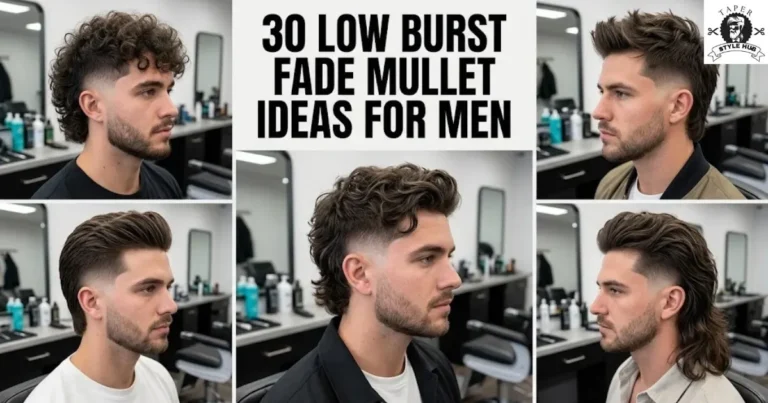
👉 Also Read: Low Burst Fade Mullet
What Is a Taper Mullet Haircut?
A taper mullet combines two barber techniques in one cut. The taper gradually shortens the hair around the sideburns, temples, and neckline, while the mullet leaves extra length at the back and a longer, textured top.
Older mullets often had harsh lines and bulky sides. The modern version blends everything together, so the shape looks intentional, polished, and easy to wear at school, at work, or on a night out.
Every cut has three working parts, and your barber shapes each one separately before blending them together:
- The sides: tapered close to the ears, sideburns, and neckline for a clean outline.
- The top: left longer so it can hold texture, waves, curls, or a fringe.
- The back: kept long enough to reach the nape, collar, or shoulders.
A smooth blend between these sections is what separates a sharp mullet from a messy one. Without it, the haircut can look disconnected and grow out unevenly.
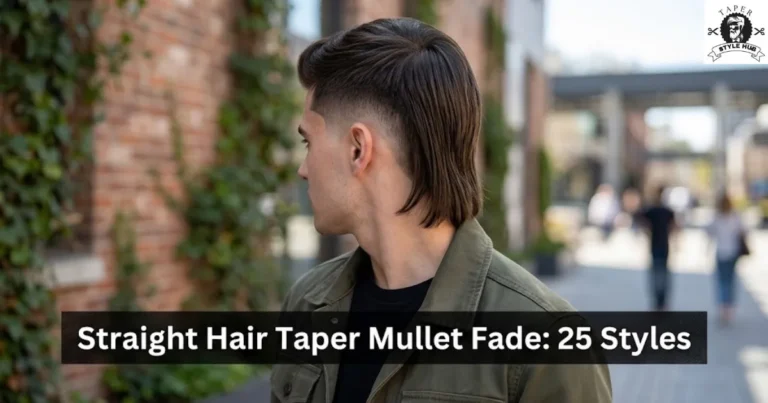
👉 Also Read: Straight Hair Taper Mullet Fade
Why the Taper Mullet Is Trending in 2026
The taper mullet works because it solves the biggest problem of older mullets, which was side bulk. The taper removes weight above the ears while you keep the length and attitude that make the style recognizable.
Social media pushed it forward too. TikTok and Instagram are full of transformation clips, and barbers now treat the modern mullet as a regular request instead of a joke or a dare.
It also adapts easily. You can keep it subtle with a low taper or make it bold with a skin fade, a fringe, or heavy layers, depending on how much attention you want.
👉 Also Read: Taper Mid Fade
Quick Overview of Popular Taper Mullet Variations
Before the full list, this table shows five popular versions, what makes each one different, which face shapes suit them, and a typical guard range your barber may use.
👉 Also Read: Mid Taper Fade Black Male
| Style | Key Feature | Best Face Shape | Typical Guard |
|---|---|---|---|
| Low Taper | Subtle blend at the sideburns and neckline | Oval, Diamond | #1 to #3 |
| Mid Taper | Balanced fade starting at the temple | Oval, Square | #1 to #3 |
| High Taper | Bold contrast with tight, short sides | Round, Square | #0 to #2 |
| Burst Taper | Curved fade that wraps around the ear | Heart, Diamond | #0.5 to #2 |
| Skin Taper | Fade that reaches bare skin at the bottom | Oval, Square | #0 to #1.5 |
40 Best Taper Mullet Styles for Men
Instead of dumping all 40 ideas into one long list, the styles below are grouped into eight categories. Each category focuses on one decision, such as fade height, top texture, hair type, or finishing details.
Read the category that matches your biggest concern first. If you are unsure, start with fade height, because it changes the overall tone of the haircut more than any other choice.
👉 Also Read: Mid Taper Textured Fringe
Mullet Styles by Fade Height

Fade height decides how bold or subtle the cut feels. A lower taper stays close to the ears, while a higher taper creates more contrast between the short sides and the longer back.
“All The Types Shown Below Are Displayed In The Single Image Above☝️”
Low Taper Mullet
The low taper mullet keeps the fade tight around the sideburns and neckline. It is the safest option for schools and offices, because the top and back stay full while the edges look clean and controlled.
👉 Also Read: Medium Taper Fade Haircut
Mid Taper Mullet
A mid taper mullet starts near the temple and gives the cut a balanced finish. You get visible blending without a flashy contrast, which makes it a reliable choice for most face shapes and hair types.
High Taper Mullet
The high taper mullet begins closer to the crown and tightens the sides noticeably. That creates strong contrast against the longer top and back, so it suits men who want the haircut to stand out.
Skin Fade Mullet
A skin fade fades all the way down to bare skin at the bottom. It delivers the sharpest contrast of the group and pairs well with a slicked back top or a heavily textured crown.
Drop Fade Mullet
A drop fade follows the curve behind the ear and dips toward the nape. It frames the back length nicely and works well when your hair grows thick around the lower neckline.
Mullet Styles by Fade Shape

Fade shape changes how the cut frames your ears and neck. Straight lines look classic, while curved, shadowed, or disconnected shapes add more edge to the same basic mullet.
“All The Types Shown Below Are Displayed In The Single Image Above☝️”
Burst Taper Mullet
A burst taper mullet curves around the ear in a half circle instead of running in a straight line. It is popular with curly and coily hair because the rounded shape highlights natural texture.
Shadow Fade Mullet
A shadow fade leaves a thin layer of stubble instead of exposing skin, so the transition feels softer. It works well for men who want clean sides without a sharp, high contrast edge.
Temple Fade Mullet
A temple fade cleans only the area around the temples and sideburns. The rest of the sides keep natural weight, so this version is easy to maintain and grows out without looking awkward.
Disconnected Mullet
A disconnected cut skips the smooth blend between the top and sides. You see a clear gap in length, which creates a bold, edgy look for men who enjoy a more daring haircut.
Tapered Nape Mullet
A tapered nape cleans the bottom edge of the back length. It creates a tidy border around the neck, so the mullet looks planned rather than overgrown, even a few weeks after your visit.
Mullet Styles by Top Texture

Top texture controls how relaxed or polished the haircut feels. The same taper can look soft and airy or sleek and formal, depending on how your barber shapes the crown.
“All The Types Shown Below Are Displayed In The Single Image Above☝️”
Textured Taper Mullet
A textured taper mullet uses layers and product to create movement on top. The taper keeps the edges tidy, while choppy ends give the style volume, separation, and a relaxed, lived in feel.
Fluffy Mullet
Fluffy mullets rely on soft volume through the top and back. Volumizing mousse and a quick blow-dry create that airy shape, and the taper keeps the outline neat so it never looks shapeless.
Messy Mullet
The messy mullet has an undone, bedhead finish that still looks deliberate. Loose layers and uneven texture hide small amounts of regrowth, which makes this one popular with teens and low effort stylers.
Layered Mullet
Layering removes excess weight and gives the longer back more movement. Thick hair benefits the most, because point cutting stops the length from hanging like one heavy curtain behind your neck.
Slick Back Mullet
The slick back version combs the top straight back with pomade, flowing into the longer nape. It looks polished and put together, so it suits formal events and men who dislike messy styles.
Mullet Styles With Fringes and Parts

The front of the haircut changes your whole look. Fringes and parts frame the face, so choose the one that matches your forehead, hairline, and daily styling habits.
“All The Types Shown Below Are Displayed In The Single Image Above☝️”
Mullet With Textured Fringe
A textured fringe adds movement across the forehead while the long back keeps the mullet identity. Choppy ends make the front feel lighter, and round or oblong faces can balance it with careful length.
Curtain Bangs Mullet
Curtain bangs split in the middle and frame the eyes, giving the mullet a soft, retro feel. They work well on straight or wavy hair and pair nicely with a subtle taper.
Side Part Mullet
A side part adds structure and gives the haircut a cleaner, more polished direction. Use styling cream or light pomade to hold the line, especially if you wear the cut to the office.
Middle Part Mullet
A middle part creates symmetry through the top while the tapered sides stay controlled. The long back adds movement, and oval or heart shaped faces tend to look especially balanced with it.
Edgar Mullet
The Edgar mullet combines a straight across fringe with faded sides and a longer back. It is especially popular with teens and young men who like a bold, street inspired shape.
Taper Mullet Styles by Hair Type

Your natural hair texture should guide the cut. Each of these styles works with your growth pattern instead of fighting it, which means less styling effort and better results.
“All The Types Shown Below Are Displayed In The Single Image Above☝️”
Curly Taper Mullet
Curly hair gives the mullet natural volume and spring. A curly taper mullet leaves extra length on top so curls can show their pattern, while the taper removes bulk around the ears.
Wavy Hair Mullet
Wavy hair looks relaxed and textured without much effort. A light sea salt spray enhances the natural movement, and the longer back flows in loose waves that need very little styling.
Straight Hair Mullet
Straight hair creates the sleekest, most structured version. Because it falls flat easily, ask for light layering on top so the cut keeps shape, lift, and movement through the day.
Thick Hair Mullet
Thick hair holds volume well, which suits fluffy and textured looks. Your barber should use texturizing shears to remove weight, so the sides and back do not feel bulky or heavy.
Fine Hair Mullet
For fine hair, less is more. Keep some length, avoid over thinning, and use texture powder at the roots to build body, so the cut looks fuller without extra product or heat.
Trending Cultural and Modern Variations

These variations borrow from cultural trends and viral looks. They show how flexible the cut becomes once you combine it with different textures and layering techniques.
“All The Types Shown Below Are Displayed In The Single Image Above☝️”
Afro Taper Mullet
An afro taper mullet keeps the natural curl pattern on top and in the back while fading the sides close. Crisp line-ups and sharp edges make this one of the most striking versions.
Korean Mullet
The Korean inspired mullet combines soft layers, controlled volume, and a subtle taper. It looks polished yet textured, and it suits straight or slightly wavy hair with a lightweight styling cream.
Mexican Mullet
The Mexican mullet often features curlier top texture, a tighter fade, and a fuller back. It celebrates natural curl patterns and looks great with a skin or burst fade at the sides.
Wolf Cut Mullet
A wolf cut mullet blends heavy shag layers with mullet length. The taper cleans the outline while the top and back stay choppy, which gives a wild, rock inspired look without bulky sides.
Shag Mullet
The shag mullet borrows from 1970s rock style, using layers throughout the hair rather than only on top. A light taper keeps the ears visible so the shape does not swallow your face.
Mullet Styles by Length and Age

Length and age change how far you can push the style. Use these options when you need a version that fits school, work, or a first time experiment with a mullet.
“All The Types Shown Below Are Displayed In The Single Image Above☝️”
Short Taper Mullet
A short taper mullet keeps the signature back length without creating a dramatic silhouette. It feels practical, noticeable, and easy to manage, so it suits anyone trying the style for the first time.
Long Taper Mullet
A long taper mullet leaves the back reaching the collar or shoulders. The taper stops the sides from getting bulky, and layers help the longer hair move naturally instead of hanging flat.
Professional Mullet
A professional mullet keeps the taper subtle, the top controlled, and the back neatly layered. It tones down the contrast while preserving the silhouette, which suits creative offices and casual dress codes.
Teen Mullet
Teen friendly mullets keep the taper clean and add enough back length for personality. The routine stays simple, with a little texture spray in the morning and quick neckline touch-ups every few weeks.
Kids Mullet
A kids mullet stays shorter overall, usually a low taper with a slightly longer back. It is easy for parents to maintain and still gives children the fun shape they want.
Mullet Styles With Extra Details

Small details can turn a standard mullet into something personal. These finishing touches work with the base cut, so you can add them now or later.
“All The Types Shown Below Are Displayed In The Single Image Above☝️”
Mohawk Mullet
This version keeps a strip of longer hair down the center and fades the sides to skin. It is one of the boldest takes on the cut and works best with a firm hold product.
Mullet With Beard
Adding a beard balances the longer back with facial hair. The taper can blend into the beard for a cleaner outline, and a little beard balm keeps the connection looking intentional.
Mullet With Hair Design
A shaved line or small geometric detail personalizes the mullet without changing its main shape. Keep the design simple so the haircut stays versatile, and book frequent touch-ups to keep the lines crisp.
Blonde Mullet
A blonde mullet highlights the separation between the tapered sides, textured top, and long back. Lighter strands make layers more visible, so regular trims and a purple shampoo help the color look fresh.
Pompadour Mullet
The pompadour mullet lifts the front into a rolled, voluminous shape before dropping into the longer back. It needs a blow-dry and firm pomade, but it makes a strong statement.
Quick Style Chooser: Match the Cut to Your Goal
Still cannot decide? Use this quick chooser to match your main goal with a style from the categories above, then fine tune the details with your barber.
- First time trying a mullet: choose a short low taper with a soft fringe.
- Office friendly look: go for the professional mullet with a side part.
- Maximum contrast: pick a high fade or skin fade with a textured top.
- Curly or coily hair: try the burst fade with extra length on top.
- Low maintenance routine: choose the messy or temple fade version.
- Retro rock vibe: go with the shag or wolf cut mullet.
- School friendly option: pick a low taper with a short, textured back.
Tools and Techniques Behind a Clean Taper Mullet
A great taper starts with the right tools. Barbers use clippers with different guard sizes to blend the sides, then switch to trimmers for sharp edges around the ears and neckline.
Scissor over comb work softens the transition, while texturizing shears and point cutting remove weight from the top and back. These techniques stop the mullet from looking blunt or heavy.
Guard size matters too. Lower numbers cut closer, and most low tapers use a range from number one up to number three, depending on density and how much skin you want to show.
Do not automatically ask for the shortest guard. A conservative taper grows out more smoothly, and your barber can always remove extra length after seeing how your hair responds.
Taper Mullet Guard Sizes Explained
Guard numbers confuse many people, but the system is simple. Lower numbers leave less hair, and your barber blends several guards together to create the smooth fade you see in the mirror.
| Guard | Result | Best For |
|---|---|---|
| #0 | Skin level with the sharpest contrast | Skin and high fades |
| #0.5 | Almost bare with a faint shadow | Shadow and burst fades |
| #1 | Very short stubble | Low and mid tapers |
| #2 | Short and soft finish | Everyday tapers |
| #3 | Noticeable length with a gentle blend | Subtle neckline work |
| #4 | Longer, natural looking texture | Soft sides and thick hair |
Treat these numbers as a starting point. Hair density, growth pattern, and skin tone all change how each guard looks, so trust your barber to adjust during the cut.
How to Choose the Right Barber
A great mullet depends on the person holding the clippers. Look for a barber who shows blended tapers and layered backs in their portfolio, not only short crops and buzz cuts.
Read recent reviews and ask friends for referrals. Mention that you want a taper mullet when you book, so the barber can set aside extra time for blending and point cutting.
Book a consultation if the shop offers one. A five minute conversation before the cut tells you whether the barber understands your vision and respects your hair texture.
How to Ask Your Barber for a Taper Mullet
Barbers cannot read minds, so give them clear instructions. Say where you want the taper to start, how long the top should stay, and how far down the back should reach.
Here is a simple script you can use: “I want a taper mullet with a low fade around my sideburns and neckline, a textured top, and a back that reaches my collar. Please point cut the back.”
Bring two or three reference photos showing the front, side, and back. Photos remove guesswork and help your barber match the fade height, top length, and back length you actually want.
Quick Barber Cheat Sheet
- Fade height: choose low, mid, or high, and mention whether you want a skin finish.
- Clipper guard: start conservative, because your barber can always cut shorter.
- Top length: decide how much length you need for a fringe, part, or quiff.
- Back length: say collar, shoulder, or somewhere in between.
- Finish: ask for layers and point cutting so the back moves naturally.
Ask for a short consultation before the clippers start. A good barber will walk you through the plan and explain how the fade blends into the longer sections.
Questions to Ask Your Barber Before the Cut
A few smart questions can prevent most haircut disasters. Ask them calmly before the cape goes on, and listen closely to how your barber describes the plan.
- How much length will you leave on top and at the back?
- Where will the fade start, and which guards will you use?
- Will you point cut or thin the back for movement?
- How will this cut grow out over the next month?
- Which products do you recommend for my hair texture?
Best Face Shapes for a Taper Mullet
Face shape helps you decide where to add height, width, or length. A skilled barber can adjust the fringe, fade height, and back length so the cut balances your natural proportions.
| Face Shape | Best Adjustment | Recommended Look |
|---|---|---|
| Oval | Almost any variation works well | Textured mid fade with a soft fringe |
| Round | Add height on top and keep the sides tight | High fade with a quiff |
| Square | Soften the jawline with texture | Messy or layered top |
| Diamond | Keep the sides fuller near the cheekbones | Low fade with a fringe |
| Heart | Add fullness at the back to balance the chin | Side part with soft layers |
| Oblong | Add width and avoid too much height | Wavy top with a short fringe |
Is a Taper Mullet Right for You?
Most men can wear this haircut with the right adjustments. The key is matching the fade height and back length to your lifestyle, instead of copying a photo exactly.
If you work in a formal setting, choose a low taper with a neat top. If you have creative freedom, a high or skin fade with bold texture lets you have more fun.
Hair density matters as well. Thin hair needs lighter layers, while thick hair needs weight removal, so a quick chat with your barber saves you from disappointment.
Taper Mullet Pros and Cons
Every haircut has trade-offs, and the mullet is no exception. Knowing both sides helps you decide whether the style fits your routine, your workplace, and your patience during the grow-out stage.
Pros
- The taper keeps edges clean without removing too much side weight.
- The longer back gives you a distinctive silhouette.
- You can customize the top with texture, a fringe, or a part.
- It works on straight, wavy, curly, and coily hair.
Cons
- The back needs regular shaping to look intentional.
- Growing out the taper can look uneven for a few weeks.
- Thick hair may need frequent weight removal.
- Some strict workplaces may still see the mullet as too casual.
How to Style a Taper Mullet at Home
Styling takes about five minutes once you learn the routine. Start with damp hair, use a small amount of product, and let your natural texture do most of the work.
- Wash your hair and towel dry it until it is damp, not dripping.
- Mist sea salt spray or apply mousse through the top and back.
- Blow-dry while lifting the roots with your fingers for extra volume.
- Rub a coin-sized amount of matte clay between your palms.
- Work the product through the top first, then shape the fringe.
- Separate the longer back with your fingers for a natural flow.
- Finish with a light hold hairspray if you need all-day control.
Do not overload the back with product. Heavy styling weighs down longer hair and makes the mullet look greasy instead of textured.
Best Styling Products for a Taper Mullet
The right product depends on your hair texture and the finish you want. Choose lighter formulas for fine hair and stronger formulas for thick or unruly hair.
- Matte clay: gives strong, flexible control with no shine on thick or straight hair.
- Sea salt spray: adds grip and beachy movement before blow-drying.
- Texture powder: lifts the roots and adds volume to thin hair.
- Curl cream: defines curls and reduces frizz without a crunchy finish.
- Pomade: creates a sleek, polished look for slick back versions.
- Leave-in conditioner: keeps the longer back soft and tangle free.
Product Guide by Hair Type
Different textures need different formulas. Use this table as a starting point, then adjust the amount depending on the length of your top and back sections.
| Hair Type | Best Product | Finish |
|---|---|---|
| Straight | Texture powder or matte clay | Lifted and structured |
| Wavy | Sea salt spray | Loose and natural |
| Curly | Curl cream with light gel | Defined and frizz free |
| Coily | Leave-in conditioner and curl butter | Soft and moisturized |
| Fine | Volumizing mousse | Fuller looking |
| Thick | Matte paste | Controlled and flexible |
Quick Morning Routine for Busy Days
Short on time? Spray a little sea salt mist on damp hair, scrunch the top, and let it air dry while you get dressed. The taper keeps the sides tidy without extra effort.
Finish with a pea sized amount of texture cream through the back. This two minute routine gives you movement and control, and it works for almost every hair type.
How to Maintain a Taper Mullet
The sides grow fastest, so the taper needs the most attention. A quick cleanup every two to three weeks keeps the fade sharp and the neckline neat.
Let the top and back grow longer between trims. Condition the length regularly, because longer hair gets dry and tangled, especially in humid weather or when you wear hats.
| Task | How Often | Why It Matters |
|---|---|---|
| Taper and neckline cleanup | Every 2 to 3 weeks | Keeps the fade sharp |
| Full trim and point cutting | Every 6 to 8 weeks | Removes split ends and controls length |
| Shampoo | 2 to 3 times per week | Protects natural oils |
| Conditioner on the back | Every wash | Prevents tangles and frizz |
| Product reset | Once a week | Stops buildup |
If you have curly or coily hair, sleep on a silk or satin pillowcase. It reduces frizz and helps your curl pattern last longer.
Hair Care Tips for a Healthy Mullet
Longer hair needs more care than a short crop. Use a sulfate free shampoo two or three times a week, and condition the back every time you shower.
Humidity and heat can cause frizz, so apply leave-in conditioner before styling. A heat protectant also helps when you blow-dry the top and back often.
Trim split ends every six to eight weeks. A clean, healthy back looks far better than long hair with dry, damaged tips.
Avoid washing with very hot water, since heat strips natural oils and leaves the longer sections dry. Rinse with cool water at the end to smooth the cuticle and add extra shine to the finished look.
Seasonal Care for Your Mullet
Summer sun, chlorine, and salt water dry out longer hair quickly. Rinse after swimming, add leave-in conditioner, and wear a hat on bright days to protect the back length.
Winter brings dry air, static, and constant hat wearing. Use a richer conditioner, skip very hot showers, and smooth the back with a drop of lightweight oil before heading out.
In humid weather, avoid heavy waxes and rely on light creams. A product that feels fine in spring can turn greasy and frizzy when the air gets thick.
How to Grow Out a Taper Mullet
Growing out the sides is the trickiest stage. The taper fills in first, so you may notice bulk above the ears while the top and back are still catching up.
Book a neckline cleanup every three to four weeks during this phase. Leave the sides alone otherwise, and use a light cream to keep the growing hair flat and neat.
Be patient with the back. Hair grows roughly half an inch a month, so reaching collar length can take several months depending on where you start.
Comparing the Mullet With Other Popular Haircuts
People often confuse the mullet with other trending cuts. These quick comparisons show how it differs from similar styles and when each one makes sense.
Compared With a Classic Mullet
A classic mullet has stronger contrast between short sides and a long back. The tapered version softens that transition, so you get the same silhouette with cleaner edges and more styling flexibility.
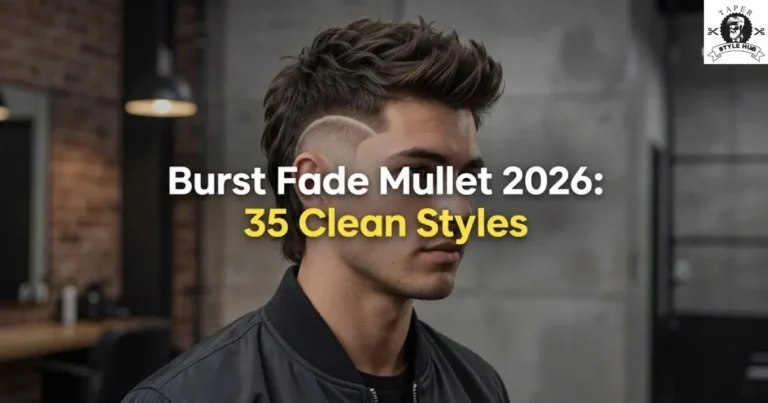
Compared With a Burst Fade Mullet
A burst fade curves around the ear in a half circle. A standard taper follows the sideburns and neckline, so it looks subtler, while the burst version looks sportier and bolder.
Compared With a Wolf Cut
A wolf cut relies on heavy shag layers throughout the whole head. A taper mullet puts more focus on controlled edges, which suits men who want texture without losing a clean outline.
Compared With a Regular Taper Haircut
A regular taper haircut can have any length on top. It becomes a mullet only when you leave extra length at the back, so the length pattern separates the two styles.
Taper Mullet Before and After: What to Expect
Before the cut, hair is usually one uniform length or grown out without much shape. The haircut often looks heavy at the sides and flat at the back, with no clear structure.
During the appointment, your barber fades the sides first, working from longer guards down to shorter ones. Then they shape the top, add texture, and finish by cleaning up the back length.
Afterward, the contrast between the tapered sides and longer sections feels intentional and modern. Most men notice sharper cheekbones and a cleaner jawline, because the fade does as much work as the length.
Is a Taper Mullet Attractive and in Style?
Attraction is personal, but the demand speaks clearly. Barbers report steady requests, and the cut keeps showing up on athletes, musicians, and everyday men across social media feeds.
In style terms, the mullet is no longer a passing fad. Mullet hairstyles for 2026 keep expanding, with more textures, more fade options, and more hair types represented than ever.
If you are unsure, begin with a low, subtle version. It is easier to grow into a bolder look later than to undo a dramatic cut on a bad day.
Common Mistakes to Avoid With a Taper Mullet
- Taking the fade too high: it turns the cut into a standard skin fade and removes the mullet weight line.
- Leaving the back blunt: ask for point cutting so the length moves naturally.
- Using heavy gel: it weighs hair down and hides texture.
- Skipping conditioner: dry, frizzy back hair ruins the overall look.
- Delaying cleanups: the neckline grows out fast and makes the whole cut look messy.
Most of these problems come from poor communication or skipped maintenance, so a short consultation and a regular schedule solve almost all of them.
Where to Find Taper Mullet Inspiration
Social platforms are the easiest place to find ideas. Search TikTok, Instagram, and Pinterest for short clips and photos that show the front, side, and back of the haircut.
Do not copy a look blindly. Hair density, texture, and face shape all change the final result, so show your barber several references and ask which proportions suit you.
Also check barber portfolios in your area. A barber who regularly posts blended mullets and clean tapers is usually a safer choice than one who rarely cuts the style.
Final Thoughts on the Taper Mullet
A taper mullet gives you the personality of a classic mullet with the tidy finish of a modern fade. It adapts to nearly every hair type, face shape, and lifestyle.
Pick a fade height you feel comfortable with, explain the back length clearly, and keep up with regular cleanups. Do that, and the cut will look sharp, current, and easy to own.
Taper Mullet FAQs
What is a taper mullet?
It is a haircut with a gradual fade on the sides and neckline and longer hair on top and at the back. The result looks modern and neat.
Who suits a taper mullet?
Almost anyone can wear it. Oval and square faces handle every version, while round faces look great with extra height on top.
How long should your hair be for a taper mullet?
You need about 2 to 4 inches on top and 3 to 5 inches at the back. That gives your barber enough length to shape.
How often should you trim a taper mullet?
Clean up the taper every 2 to 3 weeks. Trim the longer sections every 6 to 8 weeks to control split ends.
Can you wear a taper mullet to work?
Yes, a low taper with a controlled top looks professional. Keep the back neat and the neckline clean for office settings.

I’m M Ahmad Ansari, founder and content creator at Taper Style Hub. With 3+ years of experience researching taper haircuts, hairstyles, grooming, and men’s style, I create practical, accurate, and easy-to-understand content. My goal is to provide readers with trustworthy information, useful tips, and inspiring ideas for choosing and styling the perfect taper haircut.

4 Comments