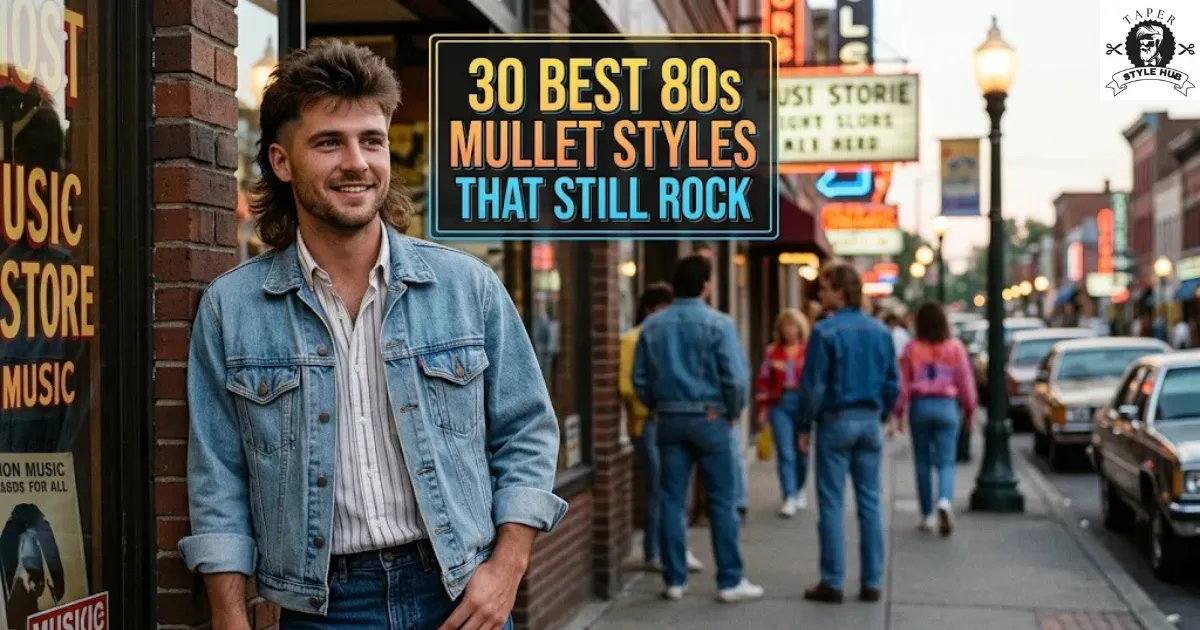
30 Best 80s Mullet Styles That Still Rock
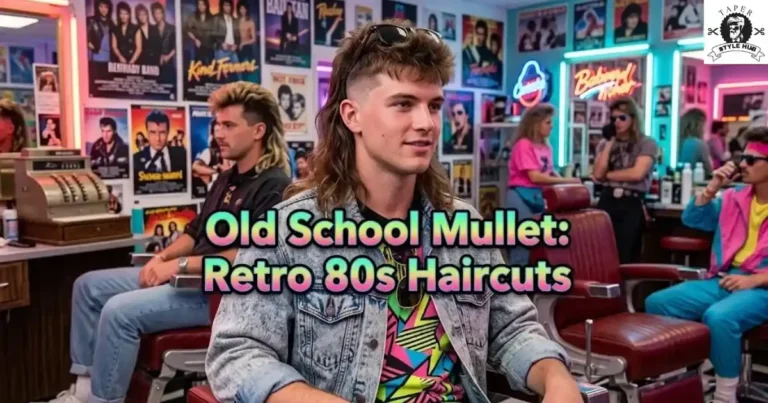
The 80s mullet is one of the most recognizable haircuts ever created. Short at the front and sides and long at the back, it carried a loud message of rebellion, music and personality. Today it is back, and it looks better than ever.
This guide covers everything about the 80s mullet, from its surprising origins to the celebrities who made it famous. You will also find 30 styles grouped into clear categories, plus practical advice on styling, maintenance and talking to your barber.
Whether you want a faithful retro look or a modern fade, this article gives you a clear path. Read on to see how the 80s mullet turned from a punchline into a genuine fashion statement.
👉 Also Read: Old School Mullet
Everything You Need to Know About the 80s Mullet
Think of this page as a complete reference for the 80s mullet. Each section builds on the last, so you can move from history to styles to daily care without guessing what comes next.
We also compare the 80s mullet with related cuts, explain who suits it best and answer the questions barbers hear most often. By the end, you will know exactly how to wear it with confidence.
👉 Also Read: Modern Mullet
What Is the 80s Mullet Haircut?
The 80s mullet is a hairstyle built on contrast. The hair stays short on the top, front and sides, while the back grows long and flows freely. That sharp difference in length is what makes the cut instantly noticeable.
The famous phrase “business in the front, party in the back” sums it up perfectly. It suggests a tidy, professional face with a wild, carefree attitude hiding behind it.
Unlike many modern blended cuts, the classic 80s mullet keeps a clear separation between sections. Here are the core features that define it:
- Short hair on the front, top and sides
- Long hair at the back, often past the collar
- A bold contrast between the two lengths
- Volume, layers or feathering on the crown
👉 Also Read: Straight Hair Mullet
Anatomy of a Classic 80s Mullet
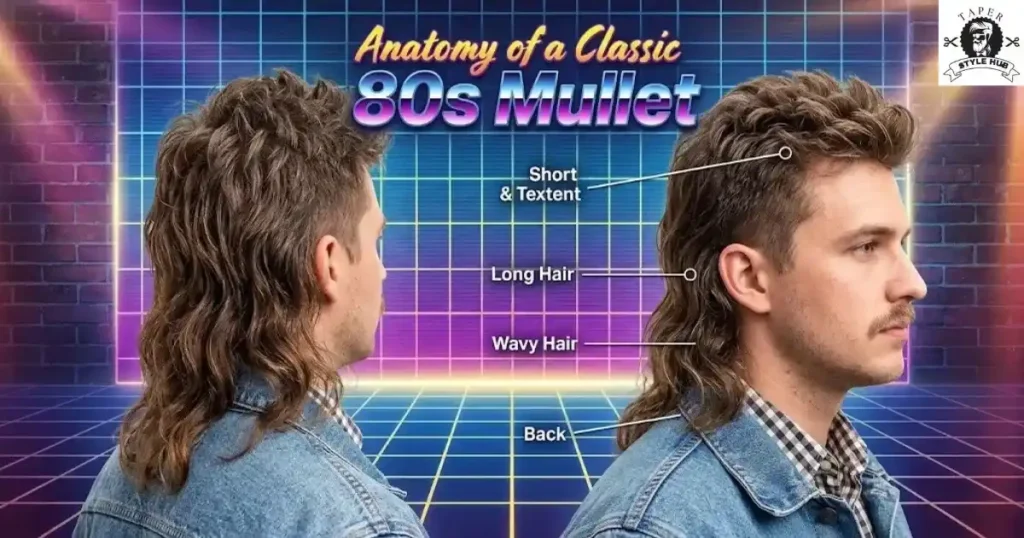
Every great 80s mullet is made of three zones that work together. Understanding each zone helps you explain the cut to a barber and keep it looking balanced as it grows.
👉 Also Read: Low Burst Fade Straight Hair
The Front and Sides
The front and sides are kept short and clean, often tucked neatly around the ears. This is the “business” part of the 80s mullet, and it frames the face while keeping the look sharp.
The Crown and Top
The crown carries the volume. In the original 80s mullet, stylists added height with layers, feathering and plenty of hairspray, which gave the whole cut its dramatic lift.
The Back and Nape
The back is the “party” and the signature of the whole style. It can be straight, wavy, curly or layered, and its length decides how bold or subtle your 80s mullet looks.
The History of the 80s Mullet
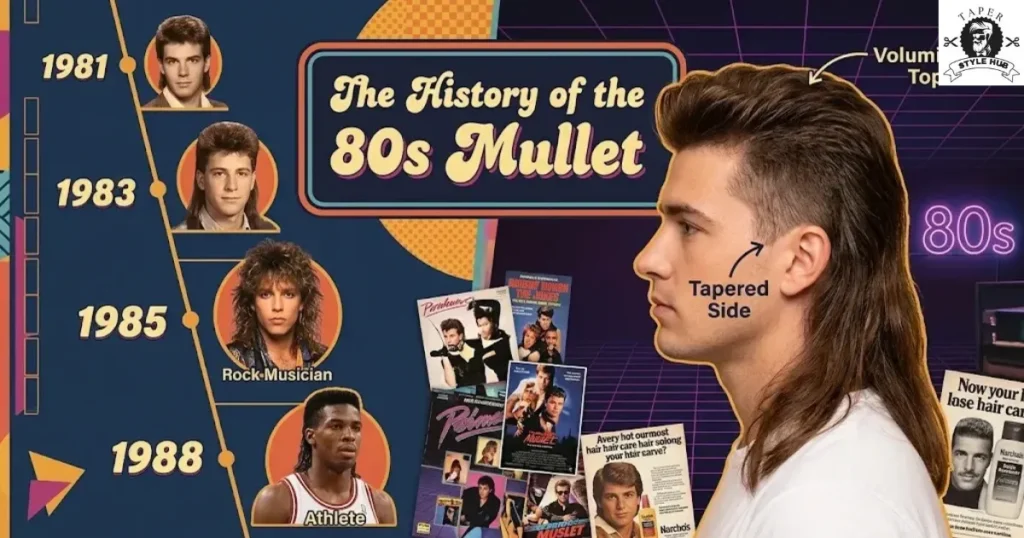
Ancient Roots of the Mullet Haircut
Although the 80s mullet made the style famous, the idea is much older. Some writers argue that early humans trimmed the front of their hair to see while hunting and kept the back long for warmth.
Similar cuts appear across ancient cultures, where practical hair often doubled as a symbol of strength and individuality. The mullet is a very old idea wearing a very modern name.
How the 80s Mullet Took Over Pop Culture
The look gained attention in the 1970s through glam rock and then exploded in the 1980s. Rock stars adopted it as a signature, athletes loved its practicality, and television turned it into a mainstream trend.
By the middle of the decade, the 80s mullet appeared on stages, sports fields, movie sets and school hallways. It became a shorthand for the entire era, as recognizable as neon clothing and giant hairspray cans.
The Fall and Return of the Mullet
In the 1990s the mullet slowly lost its cool. It was mocked in comedy, listed in regrettable hairstyle countdowns and nicknamed everything from the Kentucky Waterfall to the Mississippi Mudflap.
Around 2021 the tide turned. Pop stars, social media creators and barbers brought it back, and the so-called mullet revolution made the 80s mullet fashionable again.
Why the 80s Mullet Became a Cultural Symbol
The 80s mullet was never just a haircut. It represented rebellion against neat, conservative styles and gave people a way to show personality without saying a word.
Music played a huge role. Fans copied their favorite singers, and the hairstyle spread through concerts, music videos and magazine covers faster than any barber could keep up with.
Today the same symbolism continues in a softer form. The modern mullet stands for confidence, individuality and self-expression, which is exactly why younger generations have embraced it.
Celebrities Who Made the 80s Mullet Famous
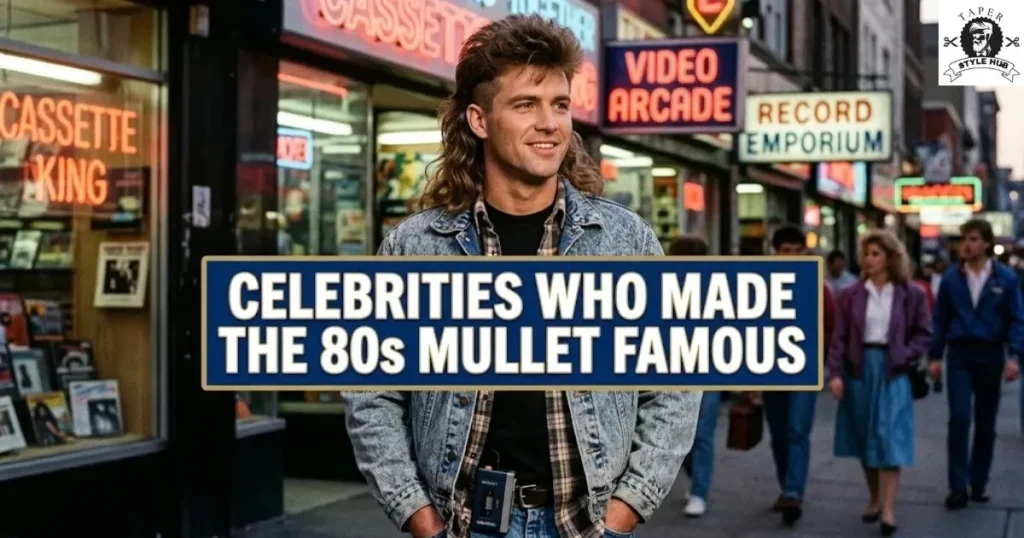
Many famous faces helped the 80s mullet reach every corner of the world. They came from music, film, sport and television, and each group added something different to the trend.
Musicians With the Most Iconic 80s Mullet
David Bowie wore one of the most famous mullets during the Ziggy Stardust era. His version was dramatic, colorful and completely unforgettable, and it inspired countless fans to try the cut.
Billy Ray Cyrus, Michael Bolton, Bono, Richard Marx and Paul McCartney all carried the look at different moments. Joan Jett and Toby Keith proved it worked across rock and country.
Years later, Miley Cyrus followed her father’s footsteps with a wavy mullet. Troye Sivan and Rihanna also helped modern fans see the cut in a completely new light.
Actors Who Rocked the 80s Mullet
Patrick Swayze made the 80s mullet look effortless, especially in Road House, a film watched by plenty of mullet fans. Rob Lowe, Kurt Russell and Mel Gibson also wore it through the decade.
Brad Pitt and George Clooney tried versions of the cut before they became leading men. Melanie Griffith even used a giant, mullet-inspired look in Working Girl.
Women joined in as well. Meryl Streep, Kristen Stewart, Scarlett Johansson and Zendaya each wore a mullet, proving the style was never limited to men.
Athletes Linked to the 80s Mullet
Sport gave the 80s mullet a tough, energetic image. Hulk Hogan wore his proudly throughout his wrestling career, while Andre Agassi carried a flowing version straight onto the tennis court.
Brian Bosworth made the cut famous in football, and David Beckham later showed a more polished take. Chuck Norris also became a legend of the look.
TV and Movie Characters With a Memorable 80s Mullet
Fictional characters pushed the trend even further. Slater from Saved by the Bell, MacGyver and the cast of The Lost Boys all became mullet icons that fans still talk about.
More recently, Billy Hargrove from Stranger Things brought a wavy 80s mullet to a brand new audience and sparked fresh interest in the retro style.
How the 80s Mullet Differs From Similar Haircuts
Many people confuse the 80s mullet with shag cuts, wolf cuts or mohawks. The difference lies in the strict contrast between a short front and a long back, which other styles blend or ignore.
A shag uses layers all over the head, so the length changes gradually. A wolf cut is similar but heavier at the crown, while the classic 80s mullet keeps the sides clearly short.
A mohawk removes the sides completely and keeps a central strip. A mullet keeps hair on the sides, only shorter, which makes it more wearable and far easier to blend into daily life.
30 Best 80s Mullet Styles Explained by Category
There is no single way to wear an 80s mullet. To keep things simple, the 30 styles below are grouped into six categories, so you can quickly find the one that matches your hair and lifestyle.
Each category explains what the styles have in common. Then every style gets its own short breakdown, covering the look, the best hair type and the effort it needs.
Classic and Retro 80s Mullet Styles
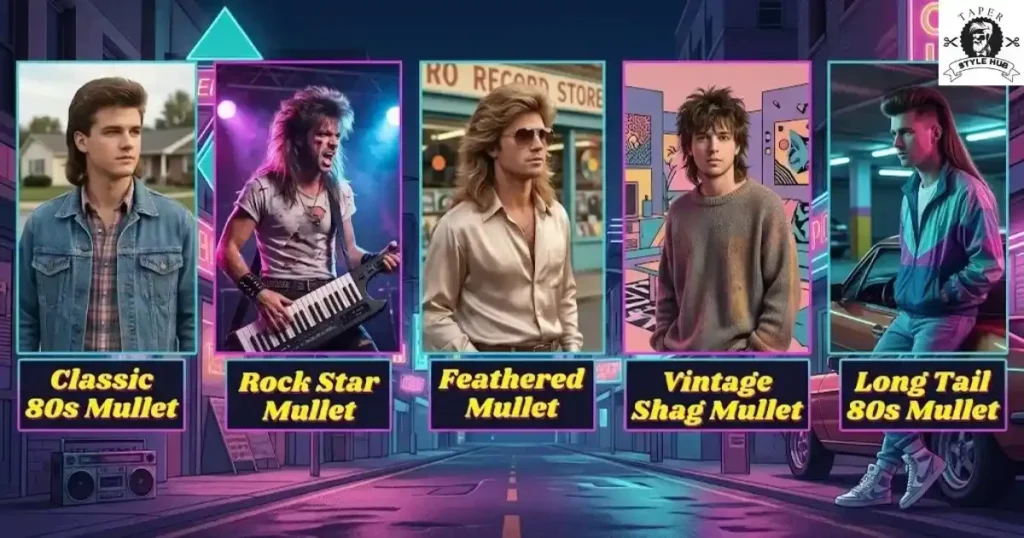
These styles stay closest to the original look. They are perfect if you want an authentic throwback with strong contrast, volume and plenty of attitude.
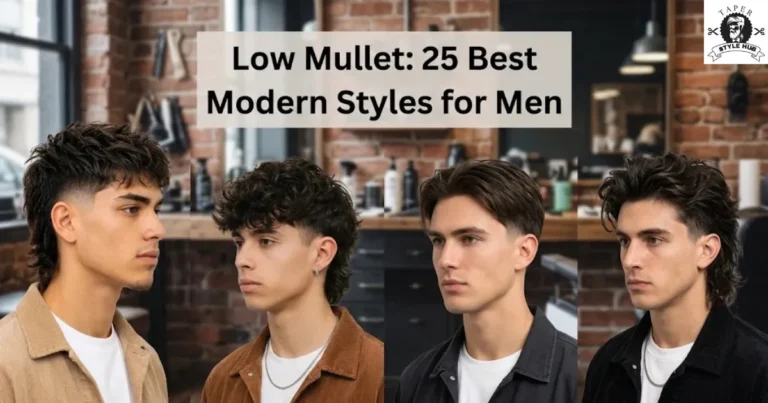
“All The Types Shown Below Are Displayed In The Single Image Above☝️”
Classic 80s Mullet
The classic 80s mullet is the original that started it all. It combines neatly trimmed short hair at the front with long, flowing hair behind. It works best on thick hair and remains a timeless choice for true fans.
Rock Star Mullet
Inspired by stage legends, this version is all about height and attitude. The crown is lifted with mousse, and the back is left wild. It captures the spirit of the 80s music scene perfectly.
Feathered Mullet
The feathered mullet uses light, airy layers that sweep away from the face. It adds elegance to the traditional shape and suits straight or slightly wavy hair. The finish feels polished rather than edgy.
Vintage Shag Mullet
This style blends soft layers with a retro finish. Instead of sharp contrast, it offers movement and texture, which works well on medium-length hair. It frames the face nicely without looking too dramatic.
Long Tail 80s Mullet
The long tail version stretches the back well past the neck for a dramatic effect. The front stays short and controlled. Regular conditioning keeps the tail healthy, and the result is a powerful retro statement.
Modern Fade and Taper 80s Mullet Styles
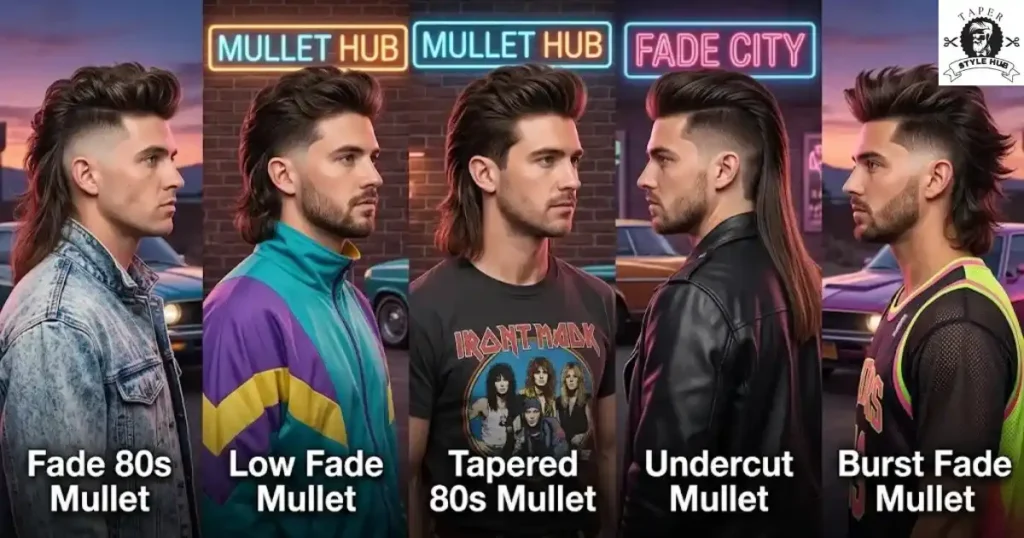
Barbers have updated the 80s mullet with clean fades and tapers. These versions keep the shape but look sharper and more suitable for everyday life.
“All The Types Shown Below Are Displayed In The Single Image Above☝️”
Fade 80s Mullet
The fade mullet joins classic structure with modern barbering. The sides fade gradually into the skin, giving a crisp finish. It is one of the most popular versions today and suits casual or semi-formal outfits.
Low Fade Mullet
The low fade starts closer to the ears and keeps more hair on the sides. It creates a softer, balanced transition that is ideal for beginners. Maintenance is easy, and the overall look stays neat.
Tapered 80s Mullet
A tapered 80s mullet replaces sharp contrast with a gradual blend. The sides and back flow naturally into each other, which looks clean and professional. It is a great office-friendly option for cautious beginners.
Undercut Mullet
The undercut mullet shaves or clips the sides very short while keeping the top and back long. The difference is dramatic and modern. It is popular with trendsetters and needs little effort on the sides.
Burst Fade Mullet
The burst fade mullet curves a rounded fade around the ears before the back flows long. It gives a fresh, sharp edge and pairs well with textured tops. Modern barbers love requests for this one.
Textured and Layered 80s Mullet Styles
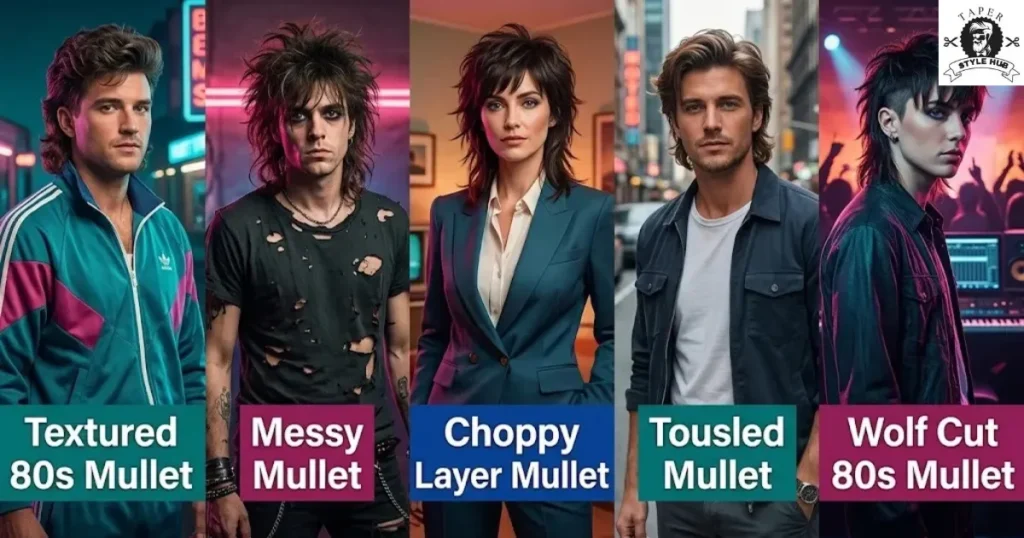
Texture adds movement and softens the contrast between lengths. These styles are versatile and work for many hair types, from straight to wavy.
“All The Types Shown Below Are Displayed In The Single Image Above☝️”
Textured 80s Mullet
The textured mullet uses layers to build depth and avoid a flat appearance. It looks modern and dynamic, and styling products make the effect stronger. It is one of the most versatile options available today.
Messy Mullet
The messy mullet embraces a relaxed, carefree attitude. Hair is left slightly unstructured, giving an effortless look that needs minimal products. It is perfect for casual lifestyles and busy mornings.
Choppy Layer Mullet
Uneven, choppy layers give this style an edgy finish. It works best on thicker hair and needs only light styling to show off the separation. The effect is bold, textured and rebellious.
Tousled Mullet
The tousled mullet looks wind-swept, as if the hair fell into place naturally. A bit of styling cream enhances the effect. It is low maintenance and ideal for everyday wear.
Wolf Cut 80s Mullet
The wolf cut mullet combines heavy shag layers with the classic mullet structure. It has volume at the crown and a textured finish. Social media made it hugely popular among both men and women.
Hair Type Based 80s Mullet Styles
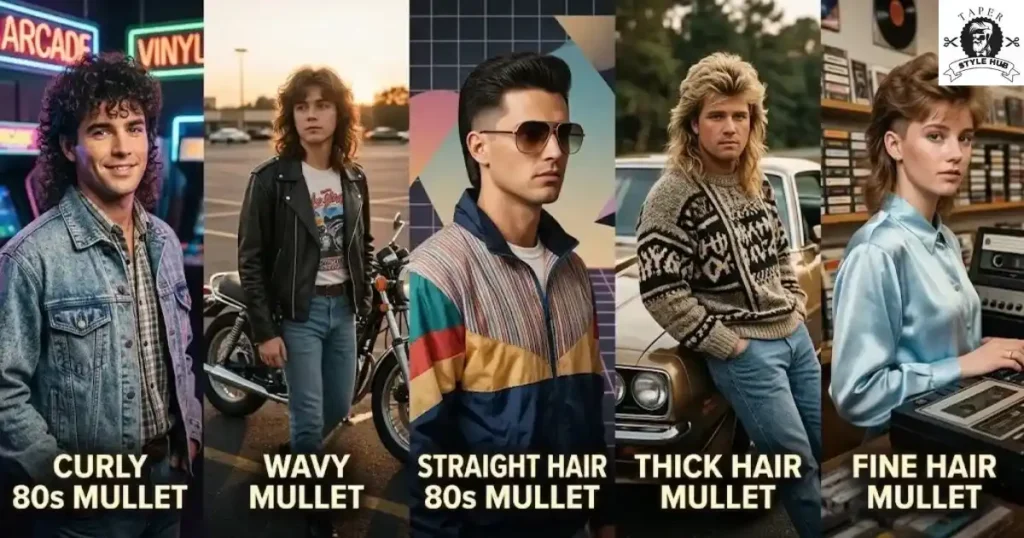
Your natural hair texture should guide your choice. These five styles are designed to work with, not against, the hair you already have.
“All The Types Shown Below Are Displayed In The Single Image Above☝️”
Curly 80s Mullet
The curly 80s mullet keeps the front and sides shorter while the curls expand freely at the back. It looks lively and full of movement. Hydration and curl-defining products help control frizz.
Wavy Mullet
The wavy mullet softens the traditional contrast with natural flow. It is easy to maintain, and a light cream can define the wave pattern without weighing the hair down.
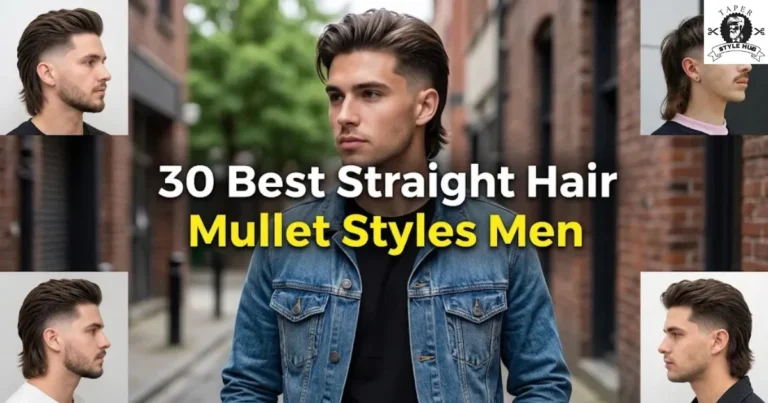
Straight Hair 80s Mullet
Straight strands make the difference between short and long lengths look sharper. The result is sleek and polished. Regular trims keep the lines clean, and heat tools can help add shape.
Thick Hair Mullet
Thick hair gives the back a dramatic, full-bodied look. Layers remove extra bulk and add movement. Lightweight products keep the shape controlled and prevent the style from feeling heavy.
Fine Hair Mullet
The fine hair mullet adds dimension to thinner hair through strategic layering. The back is kept light so it never looks limp. Mousse or volumizing spray gives the lift this style needs.
Length Based 80s Mullet Styles
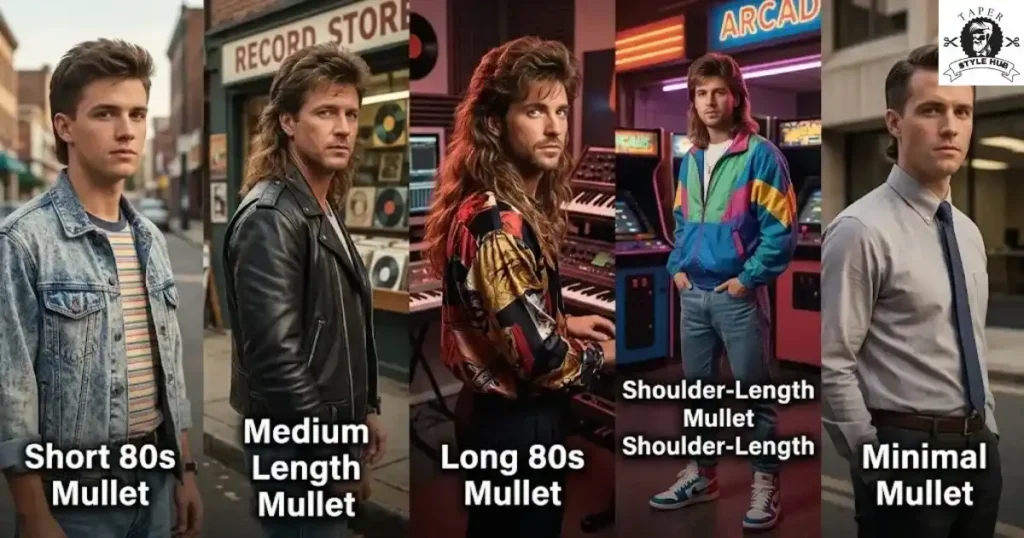
Length controls how dramatic your look becomes. Short versions suit offices, while longer ones turn heads in any room.
“All The Types Shown Below Are Displayed In The Single Image Above☝️”
Short 80s Mullet
The short 80s mullet is a subtle, wearable version of the classic. The back stays shorter, so it is easy to manage. It is perfect for beginners and fits casual or semi-formal settings.
Medium Length Mullet
The medium-length mullet balances short and long. There is enough length at the back to show contrast without drama. It works with most face shapes and can be dressed up or down.
Long 80s Mullet
The long 80s mullet stretches the back for maximum impact against the shorter front. It stays true to the original spirit. Proper hair care prevents damage and keeps the length looking healthy.
Shoulder-Length Mullet
This version lets the back fall to the shoulders for flow and movement. Layers prevent heaviness and improve shape. It works best with thick or wavy hair and needs regular conditioning.
Minimal Mullet
The minimal mullet keeps the contrast subtle and controlled. It is clean, simple and easy to maintain, which makes it suitable for professional or formal environments where a bold look would not fit.
Colored and Bold 80s Mullet Styles
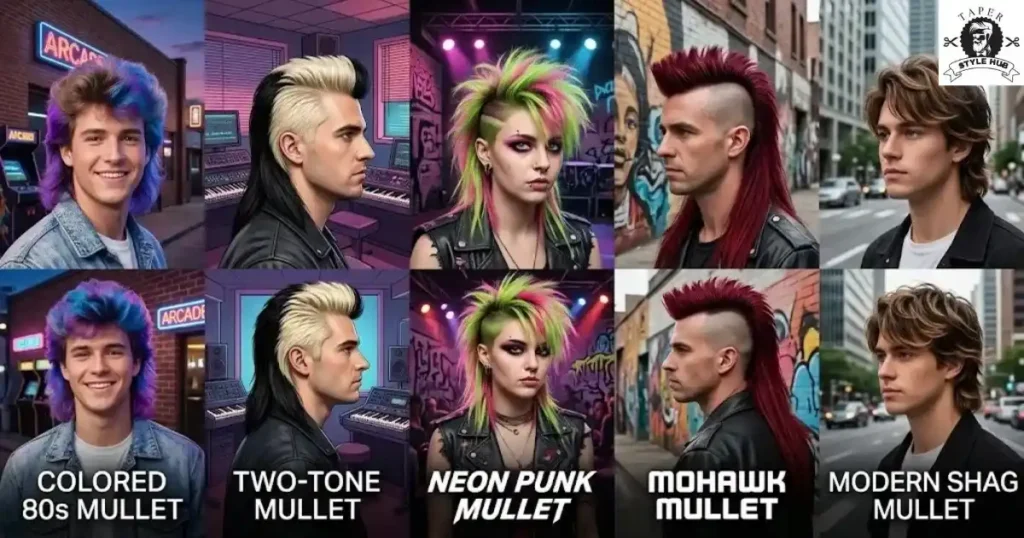
Color and creative cuts push the 80s mullet toward punk and street fashion. These looks are made for people who love being noticed.
“All The Types Shown Below Are Displayed In The Single Image Above☝️”
Colored 80s Mullet
The colored 80s mullet adds a vibrant twist with pastel or bold shades. Color placement can highlight layers and add depth. Regular touch-ups keep the shade bright and fresh.
Two-Tone Mullet
The two-tone mullet dyes the top and back in contrasting shades. This highlights the structure of the cut even more. It works with both subtle and daring color combinations.
Neon Punk Mullet
Inspired by punk fashion, this style uses bright neon colors with edgy cuts. Gel or spray keeps the shape and volume. It is loud and expressive, and it is made for confident personalities.
Mohawk Mullet
The mohawk mullet blends two iconic styles. The center strip stays longer while the sides are cut short or faded. Lifting the center adds height and delivers a daring, standout look.
Modern Shag Mullet
The modern shag mullet mixes current shag trends with the mullet shape. Textured layers and a relaxed, slightly messy finish make it casual yet stylish. It suits many hair types.
Quick Comparison of Popular 80s Mullet Styles
The table below compares several popular choices so you can decide faster. It shows who each style suits and how much effort it needs.
| Style | Best For | Maintenance |
|---|---|---|
| Classic 80s Mullet | Thick hair, retro fans | Medium |
| Fade Mullet | Modern everyday looks | High |
| Curly 80s Mullet | Natural curls | Medium |
| Short Mullet | Beginners, offices | Low |
| Wolf Cut Mullet | Trend followers | Medium |
| Neon Punk Mullet | Bold personalities | High |
How to Ask Your Barber for an 80s Mullet
Clear communication matters when you request an 80s mullet. Barbers hear the word mullet in many ways, so describe exactly what you want before the clippers come out.
Bring a reference photo, because a picture removes almost all confusion. Then explain the length you want on the front, the sides and the back.
These points help the conversation go smoothly:
- Say whether you want a fade, a taper or a blended finish
- Mention how long the back should be
- Ask about layers or texture on top
- Explain how much daily styling you want to do
How to Style an 80s Mullet at Home
Styling an 80s mullet is easier than most people expect. A comb, a brush you like and a hair dryer with a diffuser handle most of the work.
Start with damp hair and apply a light product. Mousse adds volume on top, while curl cream helps natural waves and curls hold their shape.
Finish with hairspray on days when your hair misbehaves. Sea salt spray is a smart choice for straight or thin hair, since it creates a fuller appearance.
Best Products for an 80s Mullet
- Mousse for volume and lift
- Light-to-medium hold gel for control
- Sea salt spray for texture
- Curl cream for waves and curls
- Hairspray for all-day hold
80s Mullet Maintenance Tips
An 80s mullet looks best when it is maintained properly. Without regular care, the sharp contrast softens and the shape loses its personality.
Keep these habits in mind to protect your cut:
- Trim every four to six weeks
- Use volumizing products for lift
- Keep the back hydrated with conditioner
- Maintain clean edges around the sides and neckline
Growing Out an 80s Mullet
Growing an 80s mullet takes patience, usually several months for the back to reach a good length. Keep the sides trimmed during this time so the contrast stays visible.
Avoid the awkward phase by asking for light layers. They stop the back from looking flat and help the hair grow in a shape that already resembles a mullet.
Use a weekly deep conditioner to protect the ends. Healthy, long hair at the nape makes the whole 80s mullet look intentional instead of neglected.
Which Face Shapes Suit an 80s Mullet?
Oval, square and rectangular faces usually carry an 80s mullet best. These shapes balance the volume on top and the length at the back very naturally.
Round faces can still pull it off. A longer fringe and a tapered side create the illusion of length and add structure.
The best advice is to customize rather than copy. A good barber adjusts the layers, the fade and the length to flatter your features.
The 80s Mullet for Women
The 80s mullet is a unisex haircut, and women have worn it with style for decades. Stars like Joan Jett, Meryl Streep and Zendaya showed how well it suits different faces and moods.
Softer versions such as the shag mullet and the wolf cut are especially popular. They keep the shape but add feminine layers that frame the face gently.
Longer hair also gives women more room to play with color and texture. A wavy or curly back can turn a simple cut into a real statement.
Outfits That Match an 80s Mullet
The right outfit makes an 80s mullet look intentional. Denim jackets, band shirts and leather jackets echo the rock roots of the haircut and give the whole look a confident, retro mood.
If you prefer a modern vibe, pair a fade version with clean basics. A plain tee, tailored trousers and simple sneakers let the hair do all the talking.
Common 80s Mullet Mistakes to Avoid
Even a great 80s mullet can look wrong if a few simple details are ignored. Avoid these common errors to keep your style sharp:
- Leaving the back too heavy and flat
- Skipping regular trims on the sides
- Using too much product and weighing the hair down
- Choosing a length that ignores your hair type
Most of these mistakes come from rushing. Take time to plan the cut with your barber, and adjust your routine as the hair grows.
Why the 80s Mullet Is Trending Again
Fashion loves a comeback, and the 80s mullet fits perfectly into today’s nostalgia. Social media platforms spread new versions in minutes, and creators share styling tricks daily.
Celebrities also fuel the movement. Miley Cyrus, Rihanna, Troye Sivan and Zendaya made the haircut look fresh, bold and gender-neutral.
Most importantly, modern techniques made the cut easier to wear. Fades, tapers and soft layers turned a risky look into a flexible, stylish choice.
Final Thoughts on the 80s Mullet
The 80s mullet remains one of the most iconic haircuts in fashion history. It began as a bold trend in the 1980s and has evolved into a modern style with endless creative variations.
From classic and fade to curly and colored, there is a version for almost every personality and hair type. The key is choosing the one that matches your lifestyle.
Whether you prefer a subtle cut or a loud statement, the 80s mullet can be adapted to your style. It is a timeless haircut that continues to stay relevant today.
FAQs About the 80s Mullet
Is the 80s mullet still in style today?
Yes, it is trending again. Modern fade and textured versions make the 80s mullet more stylish and wearable.
What face shape suits an 80s mullet best?
Oval, square and rectangular faces suit it best. It can still be customized for almost any face shape.
How do I ask my barber for an 80s mullet?
Ask for short front and sides with a longer back. A reference photo helps you get the exact style.
Is an 80s mullet hard to maintain?
No, it is fairly easy. Regular trims and basic styling products are enough.
Can women wear the 80s mullet?
Yes, it is a unisex style. Many women choose wolf cuts and shag mullets as modern variations.

I’m M Ahmad Ansari, founder and content creator at Taper Style Hub. With 3+ years of experience researching taper haircuts, hairstyles, grooming, and men’s style, I create practical, accurate, and easy-to-understand content. My goal is to provide readers with trustworthy information, useful tips, and inspiring ideas for choosing and styling the perfect taper haircut.
5 Comments