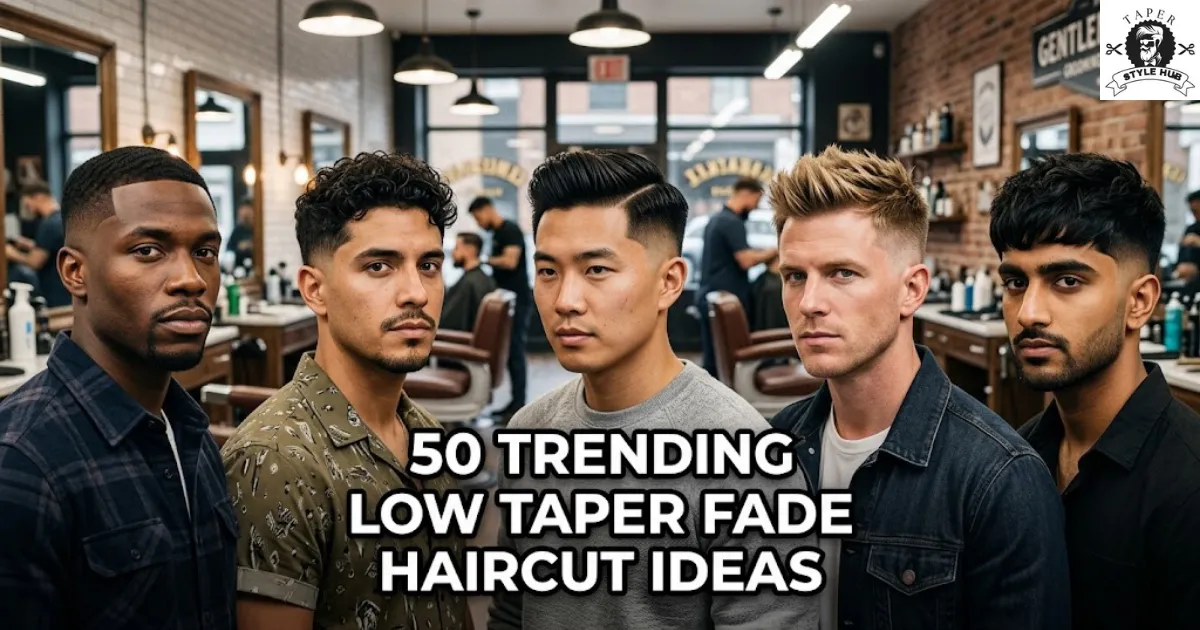
50 Trending Low Taper Fade Haircut Ideas
What Is a Low Taper Fade Haircut? A Complete Style Guide
A low taper fade haircut is a gradual cut where the hair shortens just above the ears and slips toward the neckline. It looks sharp without shouting for attention. That is why barbers recommend it so often.
Maybe you are new to fades, or maybe you just want a cut that works in a meeting and at a Saturday dinner. This guide covers technique, comparisons, styling, upkeep, and fifty ideas.
Everything is grouped into clear categories, so you can jump to the hair type or mood that matches yours. By the end, you will know exactly what to say in the barber chair.
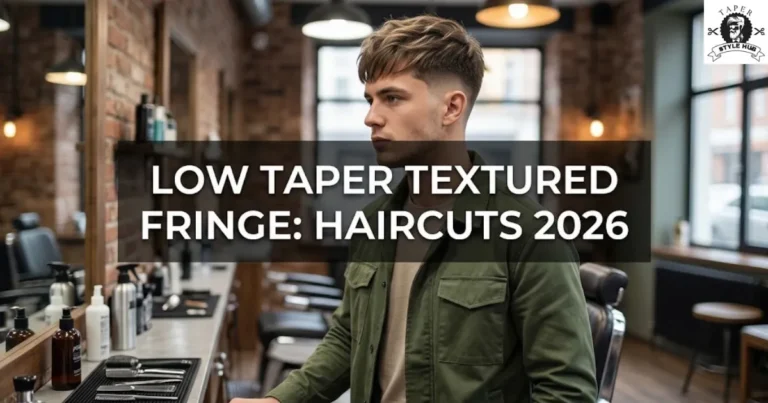
👉 Also Read: Low Taper Fluffy Fringe
What Makes a Low Taper Fade Haircut Different
The fade starts about an inch above the ear and follows your natural hairline around the back. The top keeps its length, while the sides and nape shorten gradually. You see the shape, not the clipper work.
Think of it as a gentle slope instead of a cliff. A high fade climbs toward the temple and creates strong contrast. This cut stays low, so it reads as polished rather than dramatic.
Because less hair comes off, the transition looks soft and natural. It also grows out evenly, which is a big reason busy men keep coming back to it.
👉 Also Read: Messy Fringe Low Taper
Origins of the Low Taper Fade Haircut
The taper has roots in military and classic barbering, where a neat, graduated cut was practical and respectable. Barbers refined the blend over decades with better clippers, guards, and fade combs.
Hip-hop and sports culture then pushed fades into everyday style. Today the low taper fade haircut is a modern staple, equally at home in barbershops, offices, and premium salons.
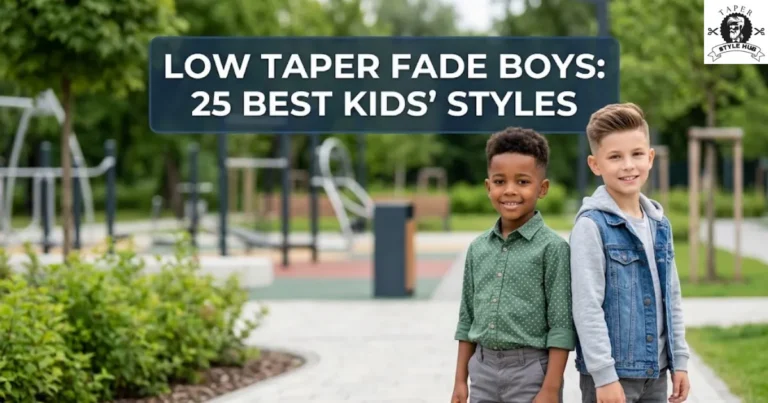
👉 Also Read: Low Taper Fade Boys
Taper vs Fade: Understanding the Difference
Many clients use the words taper and fade as if they mean the same thing. They overlap, but they are not identical, and knowing the gap helps you order a better low taper fade haircut.
A taper shortens hair gradually, usually at the sides and nape, and always leaves some visible length. A fade goes shorter, often reaching skin or near-skin before blending upward.
A low taper fade haircut sits between the two. It borrows the softness of a taper and the clean blending of a fade, which is why it feels both subtle and sharp.
👉 Also Read: Low Taper Fade Buzz Cut
How a Low Taper Fade Haircut Works
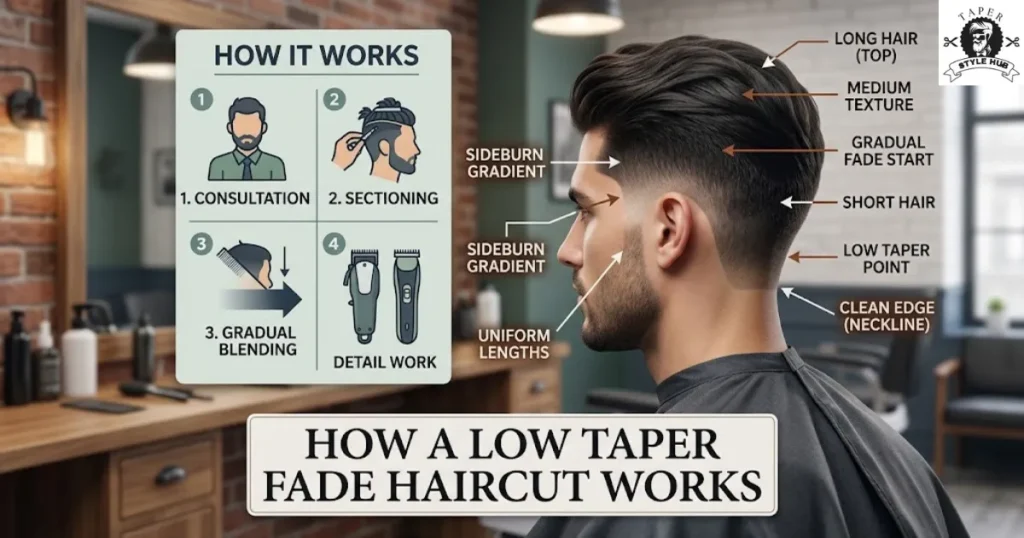
Barbers build the blend with clippers and a ladder of guard sizes. They start longer near the top of the fade zone, then move to shorter guards as they work toward the neckline.
👉 Also Read: Taper Fade Black Male
Clipper Guards and Blending
A fade comb guides the clipper and keeps every guard line even. Many barbers begin with a number two near the ear and step down toward a one or zero at the nape.
Guard numbers differ between shops, so describe the length you want instead of relying on numbers alone. A good barber will confirm the plan before cutting.
👉 Also Read: Low Taper Buzz Cut
Finishing the Neckline and Edges
After blending, the barber cleans the neckline, sideburns, and the area around the ears. Some finish with scissor-over-comb work on top, so the longer hair melts into the faded sides.
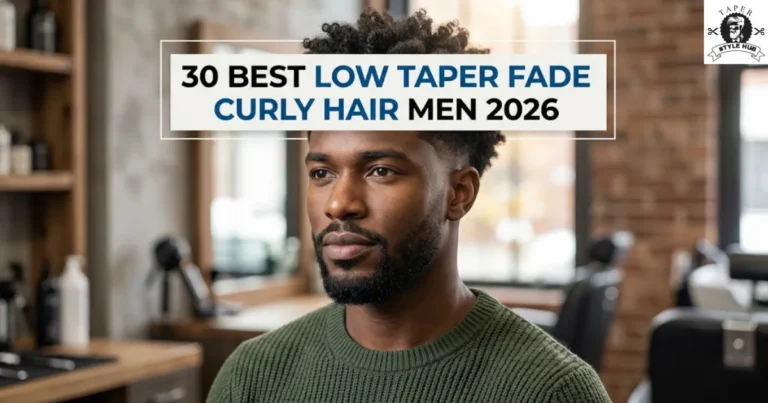
👉 Also Read: Low Taper Fade Black Men
Tools Barbers Use for a Low Taper Fade Haircut
Great blends come from good tools and steady hands. Knowing the kit helps you understand what you are paying for and what to avoid at home.
- Professional clippers with a range of guard sizes.
- A fade comb that guides the clipper along the head.
- Shears for scissor-over-comb blending on top.
- A precision trimmer for the neckline and edges.
- A razor for line-ups and shaped parts.
Home kits can handle small cleanups, but the full blend needs practice. Most men do best leaving the fade itself to a professional.
👉 Also Read: Low Taper Mullet
Benefits of a Low Taper Fade Haircut
There is a reason this cut is the safe answer for undecided clients. It is flexible, easy to grow out, and rarely looks messy between visits. Here are the main advantages.
- Low maintenance, because it grows out evenly without weekly touch-ups.
- Works with every face shape and hair texture.
- Professional enough for strict office dress codes.
- Pairs with almost any top style, from a buzz cut to long hair.
- Forgiving for thinner hair, since it avoids exposing too much scalp.
- Easy to ask for, which makes it a friendly first fade.
👉 Also Read: Blonde Low Taper Fade
Low Taper Fade Haircut vs Other Fades
Fade height changes the whole mood of a cut. The table below shows how the low version compares with the other popular options before we look at each one.
👉 Also Read: Low Taper Fade Fluffy Hair
| Fade Type | Starting Point | Overall Look | Upkeep |
|---|---|---|---|
| Low Taper Fade | Just above the ear | Subtle and natural | Every 3 to 4 weeks |
| Mid Taper Fade | Around the temple | Balanced contrast | Every 2 to 3 weeks |
| High Taper Fade | Above the temple | Bold and sharp | Every 2 weeks |
| Skin Fade | Down to bare skin | High contrast | Every 2 weeks |
| Drop Fade | Curves behind the ear | Sculpted and contoured | Every 2 to 3 weeks |
Low Taper Fade vs Mid Taper Fade
A mid fade starts near the temple, so it shows more short hair and a bit more edge. The low version blends more gently into your natural hairline and feels more relaxed.
👉 Also Read: Low Taper Buzz
Low Taper Fade vs High Taper Fade
A high fade climbs close to the crown and creates dramatic contrast. If you want people to notice your cut across the room, go high. If you want quiet polish, stay low.
Low Taper Fade vs Skin Fade
A skin fade goes all the way to bare skin, while a taper always leaves some length. The skin version looks sharper but needs more frequent visits to stay crisp.
Low Taper Fade vs Drop Fade
The drop fade curves down behind the ear, following the shape of your skull. A standard low taper keeps a straighter line, which feels more traditional and conservative.
Low Taper Fade vs Burst Fade
A burst fade flares in a semicircle around the ear, often with curly or textured tops. It is more creative, while the low taper is the calmer, more office-friendly pick.
Who Should Get a Low Taper Fade Haircut
Almost anyone can wear it. It is especially good if you are new to fades and worry about looking too bold, because the low placement removes that risk.
It also suits students, professionals, and anyone who needs a cut that moves from Monday meetings to Saturday nights without a second thought.
Men with busy mornings benefit the most. The cut looks tidy even when you skip styling, and the soft grow-out means a slightly late appointment will not ruin your look.
Low Taper Fade Haircut for Thinning Hair
Many men worry that a fade will expose thinning areas. A low taper fade haircut is gentler, because it leaves more hair around the temples and avoids a harsh skin line.
Keep the top slightly longer and use light texture powder to add body. Short, soft styles such as a textured crop or a buzz can also make hair look fuller.
Low Taper Fade Haircut for Every Occasion

One reason this cut stays popular is that it adapts to your calendar. A few small styling changes shift the mood from relaxed to formal.
“All The Types Shown Below Are Displayed In The Single Image Above☝️”
For the Office
Choose a side part or classic taper with a matte finish. A low taper fade haircut reads neat and conservative, which suits most dress codes.
For Weddings and Events
Slick the top back or sweep it into a pompadour with a flexible pomade. The clean sides keep the look sharp in photos.
For the Gym and Active Days
Pick a short textured top or buzz that needs almost no product. Sweat will not ruin the shape, and the taper stays tidy.
For Students and Casual Days
A fringe or messy top with light cream looks relaxed and youthful. It takes a couple of minutes and still looks intentional.
Low Taper Fade Haircut for Teens and Young Men
Younger clients love this cut because it looks trendy without demanding much effort. A low taper fade haircut keeps school or campus dress codes happy while still feeling current.
Textured crops, fringes, and curly tops are the usual favorites. Keep the product light, and book a visit every few weeks as hair grows quickly at this age.
Best Low Taper Fade Haircut for Your Face Shape
Your face shape influences which top style looks best above the taper. Use this table as a quick starting point, then adjust with your barber.
| Face Shape | Best Top Style | Why It Works |
|---|---|---|
| Oval | Almost anything | Balanced proportions carry every variation. |
| Round | Pompadour, quiff, added height | Volume on top elongates the face. |
| Square | Textured crop, messy fringe | Texture softens a strong jawline. |
| Diamond | Fringe, side-swept top | Reduces emphasis on the cheekbones. |
| Oblong | Side part, fringe | Shortens the look of a long face. |
| Heart | Textured top with side volume | Balances a wide forehead and narrow jaw. |
No table can replace a real consultation. Density, hairline shape, and growth direction all change the result, so let your barber assess them before placing the fade.
Best Low Taper Fade Haircut for Your Hair Type
Hair texture decides how the blend behaves and how long it stays clean. This table matches each type with a style and a realistic maintenance window.
| Hair Type | Best Style | Touch-Up Timing |
|---|---|---|
| Straight | Classic low taper with side part | Every 3 to 4 weeks |
| Wavy | Textured top with soft fade | Every 4 to 5 weeks |
| Curly | Curly top with drop or burst fade | Every 2 to 3 weeks |
| Coily | Afro or twists with clean taper | Every 2 to 3 weeks |
| Thick | Crop or pompadour with tight blend | Every 2 to 3 weeks |
| Fine or thin | Soft taper with textured crop | Every 4 weeks |
Remember that these timings are guidelines. Hair growth speed, density, and personal standards all shift the schedule, so adjust until the cut feels right for you.
How to Choose the Right Low Taper Fade Haircut
With so many options, picking one can feel overwhelming. Narrowing it down takes just three questions about your face, your hair, and your routine.
- Which face shape do you have, and which top style balances it?
- How does your hair naturally grow, curl, or wave?
- How many minutes can you give styling each morning?
Answer those honestly and the list shrinks fast. Then bring two or three matching photos and let your barber refine the final low taper fade haircut.
Low Taper Fade Haircut Trends in 2026
This year the cut is moving toward softer, more natural looks. Hard lines and extreme contrast are giving way to relaxed texture and subtle blends.
Textured fringes, curly tops, and longer lengths are especially popular. The low taper fade haircut also continues to spread from barbershops into premium salons that offer tailored consultations.
50 Low Taper Fade Haircut Styles Grouped by Category
Instead of one long list, the styles below sit in ten categories. Each group shares a mood or hair type, so you can scan quickly and save a few reference photos.
Classic and Professional Low Taper Fade Haircut Styles

These cuts stay close to tradition. They are tidy, predictable, and ideal for workplaces where polish matters more than personality.
“All The Types Shown Below Are Displayed In The Single Image Above☝️”
1. Classic Taper Fade
The classic version keeps a moderate length on top, combed to the side or straight back. The sides blend down smoothly, so the whole cut looks tidy. It suits nearly every outfit.
2. Side Part
A defined part adds structure and a traditional feel. Brush the top over, add a touch of pomade, and the taper keeps the edges sharp. It is a dependable choice for interviews.
3. Comb Over
The comb over sweeps hair to one side for a refined finish. Paired with a low taper, it looks mature without feeling stiff. A light pomade and a fine-tooth comb are enough.
4. Slick Back
Slicked-back hair looks bold and confident, especially above a faded nape. Stars like Zac Efron have popularized it. Use a strong-hold product and a blow dryer to keep it in place.
5. Hard Part
A razor-shaved part line cuts a crisp groove into the top and draws the eye. The low taper keeps the sides discreet, so the part takes center stage.
Short Hair Low Taper Fade Haircut Styles
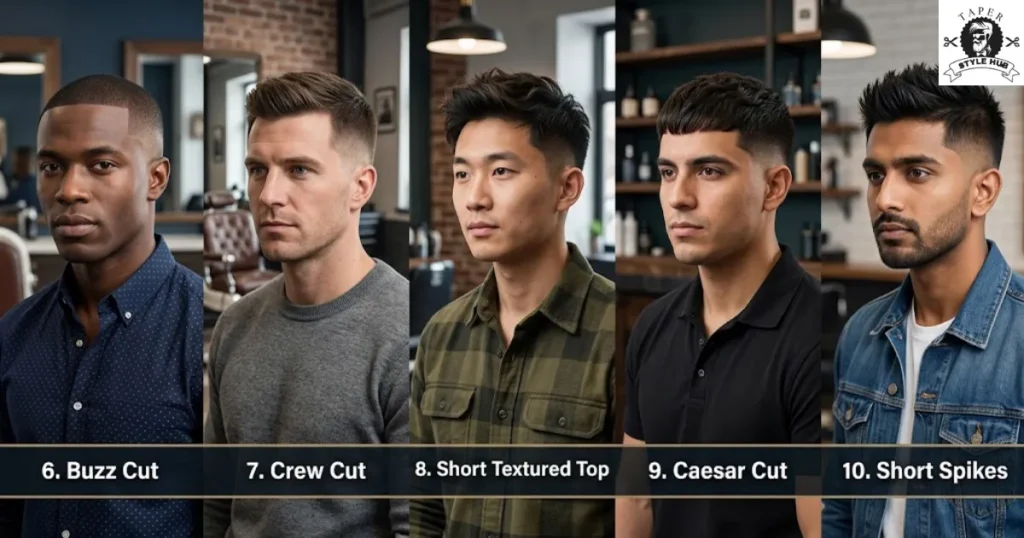
Short hair does not limit your options. When the top is cropped close, the fade does the heavy lifting and the whole cut reads clean.
“All The Types Shown Below Are Displayed In The Single Image Above☝️”
6. Buzz Cut
A uniform buzz blending into the taper is minimal and sharp. Actors like Channing Tatum have worn versions of it. It needs almost no product, just regular trims.
7. Crew Cut
The crew cut leaves slightly more length on top than a buzz, giving light texture and styling room. The taper keeps the sides controlled and the neckline neat.
8. Short Textured Top
Keep the top around an inch long and rough it up with matte clay. This is a great pick if you dislike daily styling or have fine hair that struggles with length.
9. Caesar Cut
The Caesar cut features short, horizontal bangs that sit across the forehead. With a low taper, it becomes a clean, structured style that needs very little effort.
10. Short Spikes
Short spikes need about one to two inches of hair and a firm wax. The low taper frames them neatly, giving a youthful look that works best on straighter hair.
Fringe and Crop Low Taper Fade Haircut Styles

Fringes and crops add a modern, youthful edge. They are popular with students and creative professionals who want texture without much length.
“All The Types Shown Below Are Displayed In The Single Image Above☝️”
11. French Crop
The French crop pairs a short, neat fringe with tidy layers on top. It looks polished and European, and the low taper gives it a crisp, finished frame.
12. Textured Crop
Choppy layers and a forward fringe make this crop feel thick and lived-in. Zayn Malik has worn a similar shape. Sea salt spray and clay bring out the texture.
13. Fringe
A fringe that falls over the forehead adds a casual, boyish touch. It works well on straight or wavy hair, and the taper keeps the sides from looking heavy.
14. Textured Fringe
Layered, choppy cutting gives the front real movement and depth. Finger-style it with a little matte cream, and it will look effortless instead of overworked.
15. Edgar Cut
The Edgar cut is built around a blunt, straight-across fringe with sharp edges. Combined with a low taper, it forms a bold geometric shape that has become hugely popular.
Volume and Height Low Taper Fade Haircut Styles
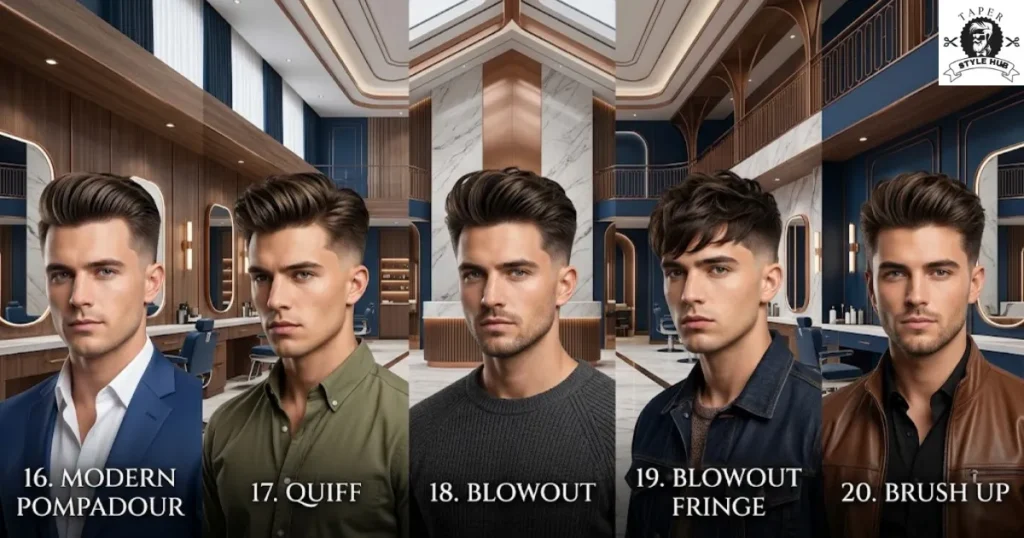
If you like presence, these cuts lift the top and let the faded sides balance the volume. Most need a blow dryer and a little patience.
“All The Types Shown Below Are Displayed In The Single Image Above☝️”
16. Modern Pompadour
Hair swept up and back from the forehead gives height and a retro nod. Adam Levine has made it familiar. The clean sides stop it from looking theatrical.
17. Quiff
The quiff lifts the front into a soft wave, with length at the fringe and shorter hair behind. David Beckham has worn it for years. Finish with a light-hold spray.
18. Blowout
A blowout pushes hair up and out with a dryer for airy, full texture. The contrast against the faded sides is a favorite in barbershop culture.
19. Blowout Fringe
Combine the lift of a blowout with a fringe that falls forward. It looks voluminous and youthful, and it suits thicker or curlier textures especially well.
20. Brush Up
The brush up styles the top upward with natural height and a smooth finish. Strong-hold pomade and a blow dryer help it last through a long workday.
Curly and Wavy Low Taper Fade Haircut Styles

Natural movement looks best when the sides stay tidy. These styles let curls and waves shine while the taper keeps everything under control.
“All The Types Shown Below Are Displayed In The Single Image Above☝️”
21. Curly Top
Bouncy curls on top with a tight taper below is a favorite pairing. Jude Bellingham wears a version of it. A little curl cream keeps the shape defined.
22. Wavy Top
Waves add movement without looking messy. A light pomade or sea salt spray enhances the pattern instead of flattening it, giving a relaxed finish above sharp sides.
23. Broccoli Style
This rounded, full curly top resembles a head of broccoli, hence the name. The taper keeps the sides clean so the curls look intentional rather than bulky.
24. Fluffy Top
Soft, voluminous hair on top contrasts nicely with neat sides. Blow-dry with a diffuser and a texturizing cream for a light, tousled shape that feels free-spirited.
25. Low Taper Fade Perm
A perm creates defined, bouncy curls on straight hair. With a taper below, the silhouette stays round and full. Use curl cream and a diffuser to keep the shape.
Coily and Afro-Textured Low Taper Fade Haircut Styles
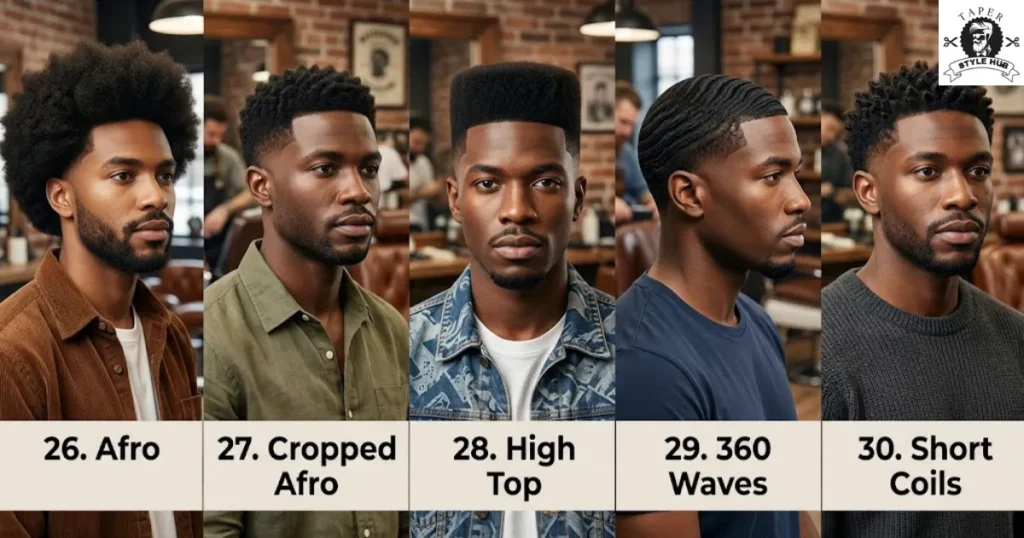
The low taper fade haircut works beautifully on coily hair because it defines the shape without disturbing the natural pattern.
“All The Types Shown Below Are Displayed In The Single Image Above☝️”
26. Afro
A rounded afro keeps volume and softness on top while the taper adds sharp contrast at the ears and nape. A curl sponge and moisturizing cream define the shape.
27. Cropped Afro
A trimmed, rounded crop holds volume while keeping a neat outline. It is easy to manage and a good choice if you like structure without much daily effort.
28. High Top
The high top stacks dense coils into a tall, confident shape. The low taper frames it cleanly, adding a fresh edge that still feels refined.
29. 360 Waves
Waves ripple across the top in a disciplined pattern. This look takes patience and a wave brush to train, but it looks incredible with a sharp taper.
30. Short Coils
Tight, short coils give dense texture and a clean shape. With a taper below and a moisturizing cream, this cut stays low maintenance and consistently sharp.
Twists, Locs, and Braids with a Low Taper Fade Haircut
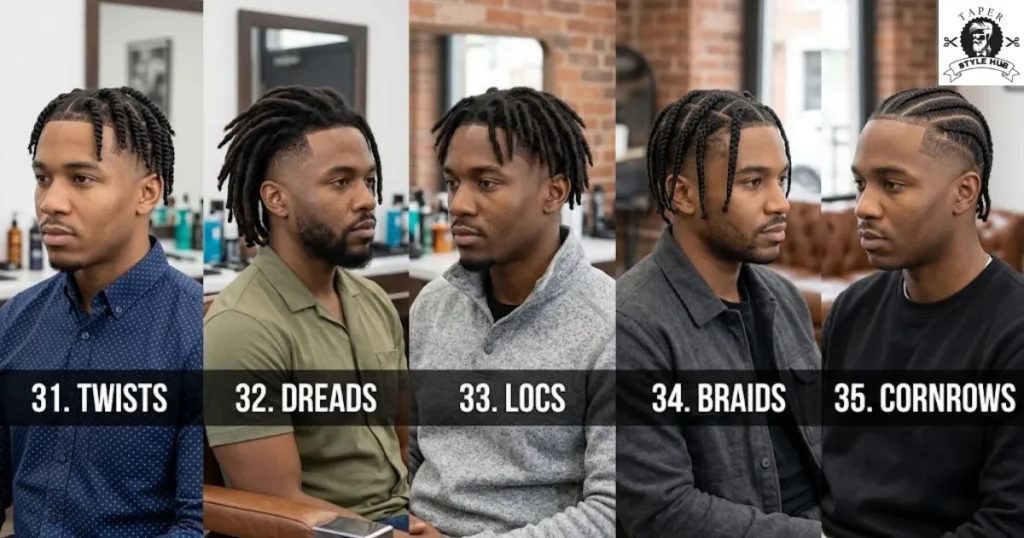
Protective and textured styles contrast beautifully with faded sides. The taper keeps length controlled and the look intentional.
“All The Types Shown Below Are Displayed In The Single Image Above☝️”
31. Twists
Twists add personality and texture on top while the sides stay neat. Once installed, they are relatively low maintenance, making this a practical everyday style.
32. Dreads
Dreadlocks and a taper create striking contrast between textured top and smooth sides. Style the dreads back for a laid-back yet refined appearance.
33. Locs
Neatly maintained locs offer a polished, mature take on textured hair. Many men add a groomed beard for a complete, balanced look from hairline to jaw.
34. Braids
Box braids or intricate patterns look sharp against a faded backdrop. It is a clever way to manage length while still showing off detailed braid work.
35. Cornrows
Cornrows run flat and clean across the scalp, so the taper reads crisp beside them. Fresh lines at the temples help the whole style look precise.
Long Hair and Trending Low Taper Fade Haircut Styles
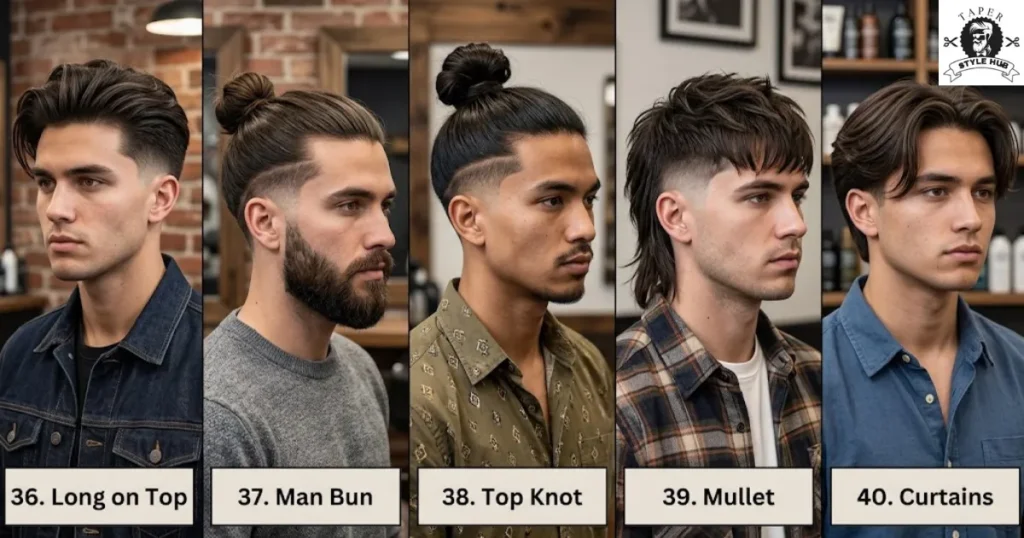
Growing your hair out does not mean giving up neatness. A low taper fade haircut keeps the sides tidy while the top stays long and expressive.
“All The Types Shown Below Are Displayed In The Single Image Above☝️”
36. Long on Top
Longer hair on top gives you freedom to slick it back, sweep it aside, or let it fall naturally. Harry Styles has worn similar lengths. The fade keeps it grounded.
37. Man Bun
Tie longer hair into a bun and keep the sides faded. You get length where you want it and tidiness everywhere else, which is a smart balance.
38. Top Knot
A top knot lifts long hair into a tight, high shape. The taper cleans up the sides and nape, so the style looks sharp rather than scruffy.
39. Mullet
The low taper mullet keeps the front shorter, the back longer, and the sides neatly faded. It is a retro idea with a modern finish, and it is having a moment.
40. Curtains
Curtain bangs part down the middle and fall to each side. Combined with a low taper, they create a balanced, symmetrical look popular with younger men.
Bold and Edgy Low Taper Fade Haircut Styles
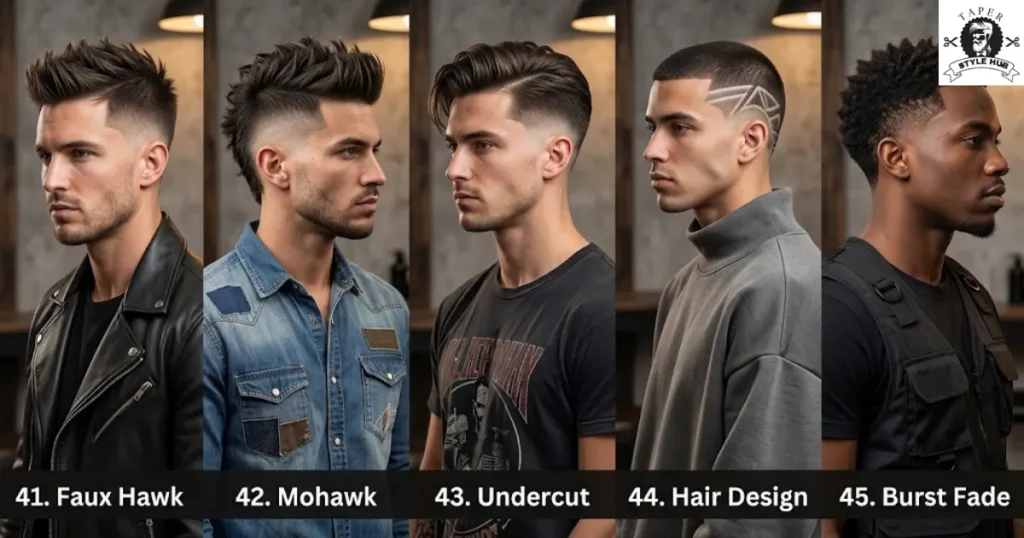
When subtle is not your speed, these options add attitude while the low placement keeps things wearable.
“All The Types Shown Below Are Displayed In The Single Image Above☝️”
41. Faux Hawk
A raised strip of textured hair runs down the center and tapers into the sides. It is edgy without going full mohawk, and strong wax keeps it upright.
42. Mohawk
A true mohawk makes a statement, while the low taper keeps the sides subtle. It is a great option when you want to stand out occasionally.
43. Undercut
The undercut keeps a distinct line between the top and the faded sides instead of blending gradually. It is a bolder cousin to the traditional taper.
44. Hair Design
Ask your barber to shave a line, pattern, or symbol into the fade area. It turns a simple cut into something personal and one of a kind.
45. Burst Fade
A burst fade curves in a semicircle around the ear instead of following a straight line. It looks especially good with curly and coily tops.
Detail and Color Variations of the Low Taper Fade Haircut
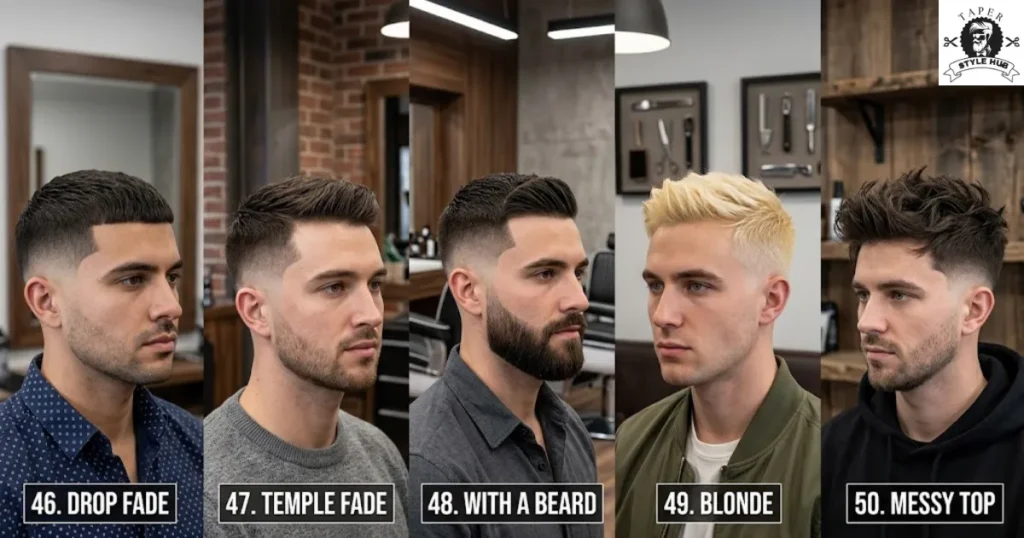
The final group covers small tweaks that change the personality of the cut, from the shape of the fade line to color and facial hair.
“All The Types Shown Below Are Displayed In The Single Image Above☝️”
46. Drop Fade
The drop fade dips lower behind the ear and follows your head shape. It adds definition and personality while staying clean and professional.
47. Temple Fade
A temple fade sharpens the outline of the face by cleaning up the area near the forehead. It pairs nicely with voluminous curls and textured tops.
48. With a Beard
Blend the fade into your sideburns and beard for one continuous line from hairline to jaw. Keep both trimmed on the same schedule for a seamless look.
49. Blonde
Blonde color, whether a full dye or subtle highlights, makes the cut pop. The contrast looks especially striking on darker skin tones and tousled textures.
50. Messy Top
A tousled, slightly messy top above clean sides gives a relaxed, cool-guy feel. Texture powder or matte cream keeps it looking effortless, not careless.
Hair Color Ideas for a Low Taper Fade Haircut
Color can transform a simple cut. Because the taper is clean and quiet, even a small color change on top becomes the focal point.
Natural Tones
Deep black, dark brown, and ash brown keep the look classic. They add shine and depth, and they suit professional settings where subtle polish matters.
Bold Highlights
Honey, golden, or platinum highlights add dimension to textured tops. Bleached blonde creates strong contrast with the faded sides, so it works best for confident, trend-forward men.
Color-treated hair needs extra care. Use a gentle shampoo and a hydrating oil so the top stays soft while the fade stays crisp.
Pairing a Beard with a Low Taper Fade Haircut
Few combinations are requested as often as a fade and a beard. When the two blend smoothly, the result looks like one continuous, deliberate shape.
Ask your barber to connect the sideburns into the beard without a visible gap. A low taper fade haircut works with stubble, a short beard, or a full groomed beard.
Keep trimming both on the same schedule. A fresh fade beside an overgrown beard breaks the balance, and the whole look suddenly feels unfinished.
How to Ask Your Barber for a Low Taper Fade Haircut
Even a great idea can go wrong with poor communication. Words like short or low mean different things to different barbers, so be specific and bring visual proof.
- Say where the fade should start, for example just above the ear.
- Name the guard numbers or describe how tight the blend should be.
- Explain how much length you want on top.
- Mention the neckline shape, natural or squared.
- Bring two or three photos, including a side and back view.
Finally, share your lifestyle. A barber who knows you work in an office or train daily can fine-tune the cut so it fits your real routine.
How to Choose Reference Photos
Pick images that match your hair type and density, not just a style you like. A photo of straight hair will not predict how curls behave.
Show the front, side, and back. The blend zone and neckline matter most, so make sure your barber can see exactly where the fade should land.
Barber Terms Worth Knowing
- Blend: the smooth transition between two hair lengths.
- Line-up: a crisp outline along the forehead and temples.
- Shape-up: a cleaned neckline and sideburn edge.
- Guard: the attachment that sets clipper length.
- Disconnected: a hard line with no blend.
Using these words shows you know what you want, and it makes the conversation faster and clearer for both of you.
How to Style a Low Taper Fade Haircut at Home
Getting the cut is half the job. Styling it well keeps the look sharp between visits and helps your top style match the clean sides.
Best Styling Products
- Pomade for a classic, shiny finish on slick backs and side parts.
- Matte clay for strong hold and a natural, textured look.
- Texture powder for light volume and grip on fine hair.
- Sea salt spray for beachy lift on wavy hair.
- Curl cream for definition on curly and coily textures.
Simple Daily Routine
Start with slightly damp hair and a small amount of product. Work it through with your fingers for texture, or use a comb for sleeker styles. Curly hair benefits from a diffuser on low heat.
How to Maintain a Low Taper Fade Haircut
A fresh fade does not stay fresh forever. Regular upkeep separates a sharp, intentional look from one that simply looks grown out.
| Timeline | What to Do |
|---|---|
| Days 1 to 5 | Enjoy peak sharpness and style as usual. |
| Days 6 to 14 | Wash regularly to remove product buildup. |
| Weeks 2 to 3 | Tidy the neckline and sideburns with a trimmer. |
| Weeks 3 to 4 | Book your next appointment. |
Scalp and Hair Care
Healthy hair holds a fade better. Use a gentle, sulfate-free shampoo two or three times a week and moisturize your scalp to prevent dryness or flaking.
Beard and Neckline Upkeep
If you wear a beard, keep it trimmed in sync with the fade. Clean your trimmer blades after each use, since dull blades pull hair and leave rough edges.
Product Buildup and Washing
Heavy products can blur fade lines. Start with a dime-sized amount and wash it out two to four times a week to reset the hair.
Avoid scalding showers and aggressive towel drying. Pat your hair dry instead, because rubbing creates frizz right along the blend line.
Trimming Between Visits
A small trimmer can tidy the neckline and sideburns for a few extra days. Follow the natural fade line and never cut into the blend itself.
Low Taper Fade Haircut Myths Debunked
A few false ideas keep men from trying this cut. Clearing them up makes the decision easier.
- Myth: it needs weekly visits. Truth: it grows out evenly and lasts weeks.
- Myth: it only suits short hair. Truth: long, curly, and coily tops all work.
- Myth: it is only for young men. Truth: it looks polished at any age.
- Myth: it is too plain. Truth: the top style carries all the personality.
The truth is that a low taper fade haircut is one of the most flexible choices in men’s grooming, and it forgives a lot of everyday imperfection.
Daily Habits That Keep a Low Taper Fade Haircut Fresh
Small habits protect the blend. Sleep on a clean pillowcase, avoid heavy oils near the sideburns, and rinse sweat out after workouts.
Carry a small comb for touch-ups and keep a trimmer at home for the neckline. A low taper fade haircut rewards the men who give it a little attention each day.
How Much Does a Low Taper Fade Haircut Cost
Prices depend on your city, the shop, and the barber’s experience. A neighborhood barbershop is usually cheaper, while a premium salon may add washing, styling, and a scalp massage.
Before you sit down, ask what the price includes. Beard trims, line-ups, and design work often cost extra, so a quick question saves surprises later.
Common Low Taper Fade Haircut Mistakes to Avoid
- Asking for just a fade without naming the height.
- Skipping reference photos or showing only one angle.
- Using heavy product that blurs the fade lines.
- Washing with harsh shampoo that dries the scalp.
- Waiting too long between barber visits.
Final Thoughts on the Low Taper Fade Haircut
The low taper fade haircut has earned its place because it adapts to nearly every man. It handles every texture, flatters most face shapes, and looks good from boardroom to weekend.
Save a few favorites from the fifty ideas above, bring clear photos, and tell your barber how you live. With good communication and steady upkeep, your next cut will look sharp every day.
Whether you choose a clean classic, a bold crop, or a textured curly top, the low taper gives you a reliable base.
Start simple, learn what works, and then experiment. Small details, like a clean neckline and the right product, truly improve every version.
Frequently Asked Questions About the Low Taper Fade Haircut
What is a low taper fade?
It is a tapered cut where the fade begins just above the ears. The hair shortens gradually toward the neckline for a subtle, natural finish.
How often should I get a touch-up?
Most barbers suggest every two to four weeks. Faster-growing hair needs visits sooner, while slower growth lets you stretch the gap.
Does it suit every hair type?
Yes. Straight, wavy, curly, and coily hair all take the blend well. Your barber only adjusts the guard lengths and the top style.
What is the difference between a low taper and a skin fade?
A skin fade goes to bare skin and looks bolder. A low taper always leaves some length, so it stays softer and easier to maintain.
Is it professional enough for the office?
Absolutely. The low placement and gradual blend look polished and conservative, especially with a side part or classic top.

I’m M Ahmad Ansari, founder and content creator at Taper Style Hub. With 3+ years of experience researching taper haircuts, hairstyles, grooming, and men’s style, I create practical, accurate, and easy-to-understand content. My goal is to provide readers with trustworthy information, useful tips, and inspiring ideas for choosing and styling the perfect taper haircut.

5 Comments